Ultimatum instead of peace: why negotiations over Ukraine are turning into a dispute about the future of Europe
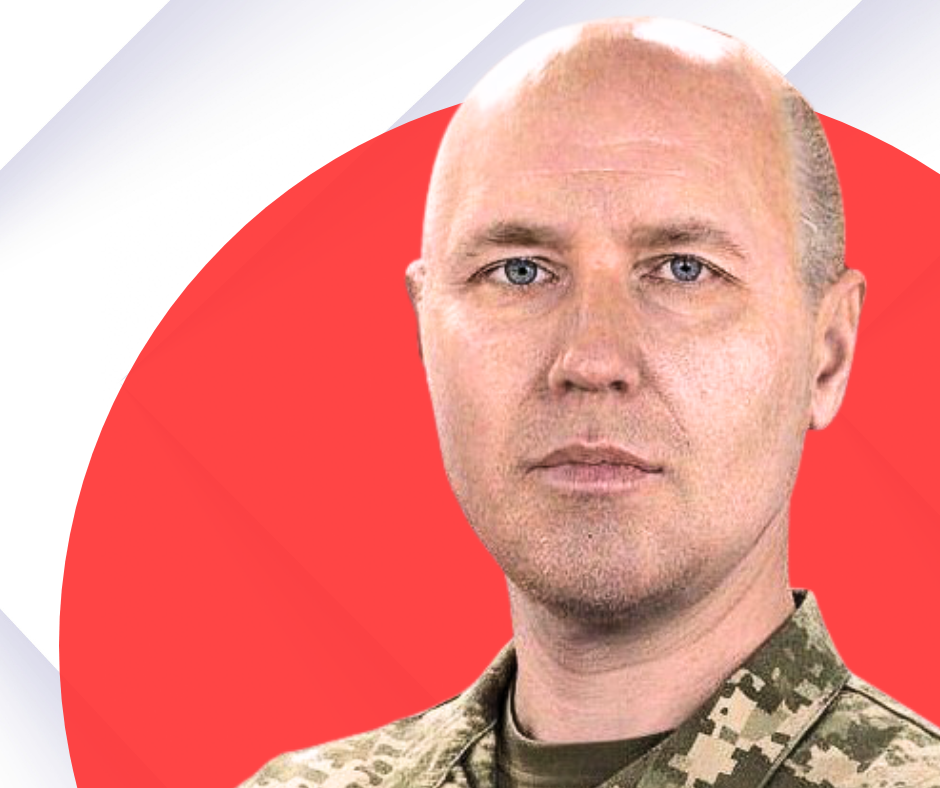
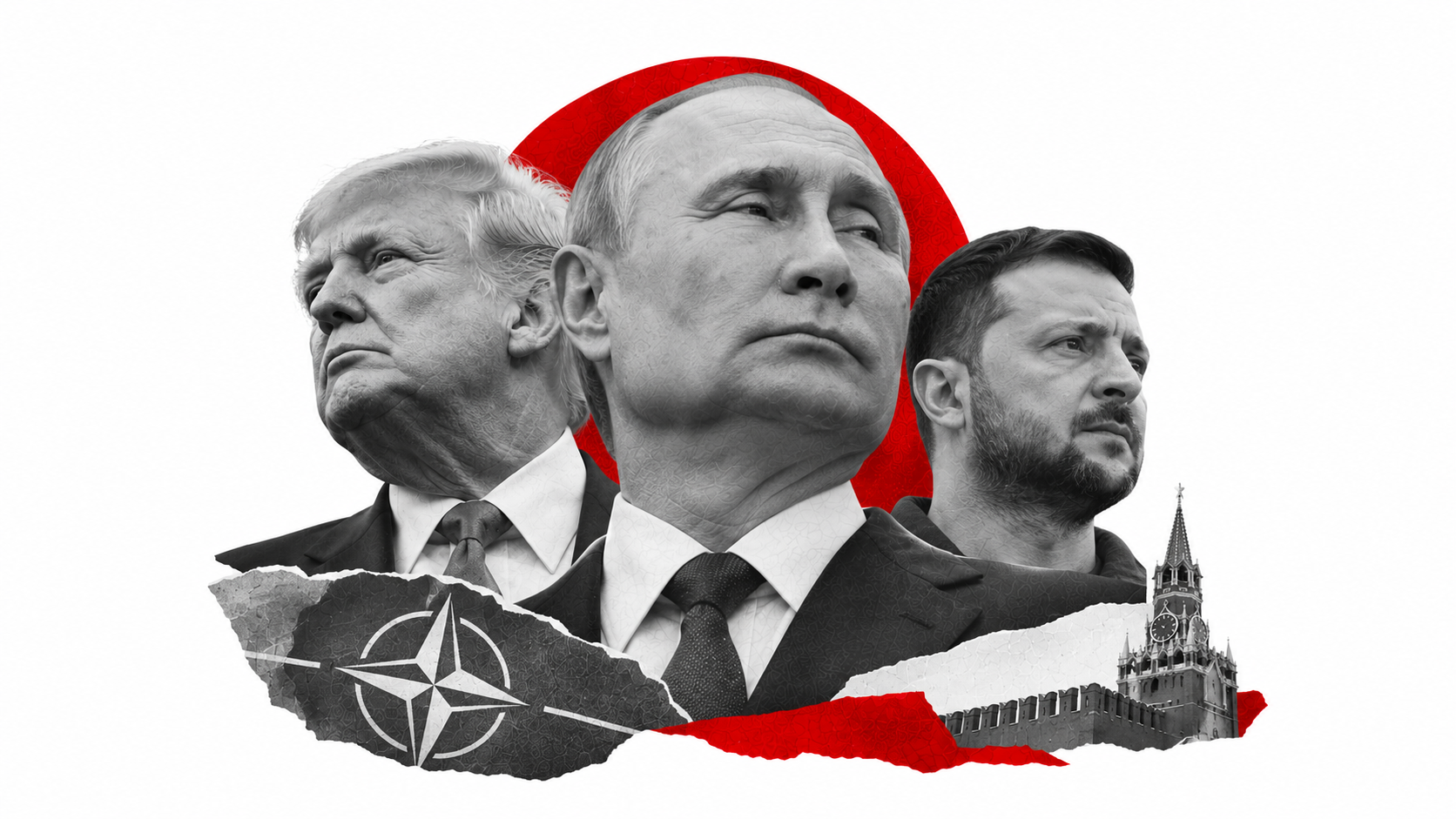
Moscow seeks to discuss not only the end of the war in Ukraine but also new rules for European security. Reports about the November negotiations in Abu Dhabi suggest that Russian demands resemble the ultimatum presented by NATO in late 2021. Political scientist Ruslan Bortnik sees this as an attempt to turn the Ukrainian settlement into a much larger bargain between Russia, the United States, and Europe. The problem is that such an agreement may be much more complex than merely achieving a ceasefire.
"Stadium - so stadium." This phrase from Ukrainian political history unexpectedly gains new meaning in international diplomacy. When parties cannot agree on the rules of the game, they begin to argue about the dimensions of the field itself.
That seems to be what is happening around the negotiations to end the Russo-Ukrainian war.
What started as a search for a mechanism to cease hostilities is increasingly turning into a discussion about NATO's military presence, strategic guarantees, nuclear deterrence, and the future balance of power in Europe.
U.S. Secretary of State Marco Rubio warned about the danger of the conflict escalating: "This escalation could quickly turn a war between two countries into a much broader and incomparably more dangerous regional conflict."
This warning reflects the main dilemma of Western diplomacy. The attempt to stop one war may require negotiations over the entire security system, but trying to resolve all contradictions simultaneously can make an agreement virtually unattainable.
The return of the 2021 ultimatum
In a study by Ruslan Bortnik, the director of the Ukrainian Institute of Politics, the central issue is Russia's demands regarding the future European order.
According to reports in the material, on November 10, 2026, the Russian delegation handed over an unofficial diplomatic document - non-paper - during negotiations in Abu Dhabi.
Its content is claimed to largely repeat the proposals announced by Moscow on December 17, 2021, shortly before the full-scale invasion of Ukraine.
At that time, Russia demanded legal guarantees from the U.S. and NATO against the expansion of the Alliance, limits on military activity near Russian borders, and a reevaluation of the principles of deploying Western forces in Europe.
The current messages describe a similar list of demands: a refusal of Ukraine's future NATO membership, limits on NATO's military infrastructure according to 1997 parameters, reductions in Western military activity in certain regions, and a cessation of arms supplies to Kyiv.
However, it is important to distinguish between the publicized Russian proposals of 2021 and the reports about the new negotiation document. The authenticity and complete content of the latter require independent verification.
If the described demands are indeed part of the negotiation process, it would mean a return by Moscow to a much broader strategic goal than merely controlling specific Ukrainian territories.
In such a scenario, Russia is trying to negotiate not only where the war will end but also where Western military influence will end in the future.
Ukraine as part of a larger strategic bargain
According to Bortnik, the main subject of negotiations for the Kremlin is not so much the specific front line but the legal limitation of Western military presence near Russian borders.
This fundamentally changes the scale of potential settlement.
A ceasefire between Ukraine and Russia requires agreements on combat action control, monitoring mechanisms, security guarantees, and compliance with obligations.
In contrast, revising the military architecture of Europe touches the interests of dozens of states, international treaties, and the fundamental principles of NATO.
Moscow, judging by the described approach, seeks to link these two processes.
In this construct, the Ukrainian war becomes a tool for negotiating a broader international order.
For Russia, this creates an opportunity to demand strategic concessions that go far beyond the Ukrainian issue. For the U.S. - the risk of facing the necessity to discuss obligations directly affecting European allies.
And for Ukraine - the danger of its own security interests becoming part of a larger geopolitical compromise.
European Union without military guarantees?
A separate element of the messages pertains to the possible membership of Ukraine in the European Union.
According to the described negotiating position, Moscow is allegedly willing to allow Ukraine's European integration on the condition of its non-participation in the EU's common defense policy.
At first glance, this may seem like a concession: Russia no longer opposed Ukraine's economic and political integration with the West.
However, in practice, such a condition would create serious contradictions with the principles of the functioning of the EU itself.
The common security and defense policy is part of the institutional structure of the EU, and its development is determined by member states according to European treaties.
Establishing special external limitations for Ukraine would mean that a third state has an influence on the future extent of its participation in European mechanisms.
For Brussels, this would be a matter not only of Ukrainian security but also of its own sovereignty in decision-making.
The topic of nuclear deterrence is even more sensitive.
According to reports about the new Russian demands, France and the United Kingdom would have to refrain from extending their nuclear guarantees to other European states.
If such a demand is indeed made, it directly affects the strategic autonomy of Paris and London.
At the same time, the French and British nuclear deterrence systems have different doctrines, decision-making mechanisms, and links with NATO. Therefore, discussing a unified formalized European "nuclear umbrella" that can simply be dismantled by one agreement would be an oversimplification.
Is this an ultimatum to Europe?
By their scale, the described Russian demands do indeed resemble an ultimatum negotiating position.
The return of NATO military infrastructure to 1997 parameters would mean a revision of the security conditions that have emerged since the accession of Central and Eastern European states to the Alliance.
For Poland, the Baltic States, Romania, and other allies, this would relate to fundamental questions of national defense.
And we are talking about states that are full members of NATO and have a right to participate in decisions regarding their own security.
Attempting to agree on such limitations mainly within American-Russian contacts would inevitably provoke opposition from European capitals.
However, there is another explanation for the Russian position.
In international negotiations, maximalist demands are often used as an initial bargaining tool.
A party may put forward conditions that are nearly impossible to fulfill, only to later present a withdrawal from part of the demands as a significant concession.
From this logic, the proposal to return NATO to 1997 parameters could create negotiating space for agreements on much narrower issues: the deployment of long-range weapons, the scale of military exercises, inspection regimes or limitations on certain types of military activities.
However, such an interpretation does not mean that Moscow is necessarily ready for compromise.
A maximalist position can be both a negotiating tactic and a reflection of real strategic goals.
The difference can only be determined by the specific concessions that the parties will be willing to agree to.
Why NATO cannot just return to 1997
In 1997, the Alliance had a completely different geography and structure.
After several waves of expansion, NATO includes 32 states. Its eastern flank has become an inseparable part of collective defense.
Effectively refusing to give up a significant portion of military infrastructure created post-1997 would mean a massive change to the strategic model of NATO, not a mere technical adjustment.
For Eastern European states, this could mean a weakening of security guarantees at a time when the threat of Russian aggression remains a central factor in their defense planning.
Moreover, Washington cannot unilaterally review the commitments of all NATO members.
Even if the U.S. and Russia reach a political understanding regarding certain limitations, their implementation would require the decisions of allies.
This is where one of the main obstacles to a major agreement arises.
The wider the scope of negotiations becomes, the more states have the opportunity to block an agreement they consider a threat to their own security.
Washington's dilemma: quick peace or new security architecture
For American diplomacy, negotiations over Ukraine and negotiations about strategic stability in Europe have different political complexities.
An agreement on cessation of hostilities can theoretically be achieved through a limited set of practical mechanisms.
In contrast, revising the European security system requires significantly broader participation from allies and may affect internationally binding obligations formed over decades.
Combining these two processes creates the risk that each individual contradiction will block the entire negotiation package.
If Russia insists on extensive limitations on NATO as a precondition for ending the war, the diplomatic process could hit a stalemate.
On the other hand, if the parties agree to separate the issues of ceasefire and long-term strategic stability, there may be an opportunity to proceed along parallel negotiation paths.
However, this option also has its downsides.
A cessation of hostilities without a clear guarantee system may leave the underlying causes of the conflict unresolved and create the risk of its resurgence.
That is why the question is not only whether it is possible to stop the war, but how to ensure the sustainability of agreements after a ceasefire.
A New Yalta That May Not Exist
The idea of a grand bargain between Russia and the United States inevitably evokes comparisons with the Yalta Conference of 1945.
However, modern Europe is significantly different from the post-war continent.
The European Union has its own institutions and economic resources. NATO consists of 32 sovereign states. Ukraine is an independent participant in international relations, not a territory whose legal status can be determined by other capitals.
Therefore, even achieving a political agreement between Washington and Moscow does not guarantee its practical implementation.
For sustainable resolution, the agreement of states directly affected by the new rules is needed.
This makes the attempt to revise the entire European security architecture within one negotiation package extremely complicated.
At the same time, dismissing even the possibility of negotiating strategic stability would be a mistake.
Limiting certain categories of weapons, preventing military incidents, ensuring transparency during exercises, and restoring communication channels could reduce the risks of direct confrontation between nuclear powers.
But such agreements are fundamentally different from the demand to grant one state the right to dictate the foreign policy choices of its neighbors.
Peace that depends on all of Europe
The November negotiation process, if reports about the new Russian demands are confirmed, will demonstrate a shift in the scale of diplomatic confrontation.
The Ukrainian war is becoming increasingly linked with questions of strategic balance between Russia, the U.S., and Europe.
For Moscow, this is an opportunity to demand long-term restrictions on Western military presence. For Washington - a difficult choice between a quick resolution and maintaining allied commitments. For European states - a question of their own security and the right to participate in defining the future of the continent.
For Ukraine, the main concern remains the risk that its security needs will become part of a broader strategic bargain.
At the same time, negotiations to end the war do not necessarily have to conclude with simultaneous revisions of the entire international security system.
A possible approach is to separate the immediate mechanisms for ceasefire from long-term negotiations on military stability.
This path does not eliminate all contradictions but allows avoiding a situation where the fate of the ceasefire depends on the agreement of dozens of states on issues that have remained unresolved for decades.
The main paradox of current diplomacy is that the attempt to make peace as comprehensive as possible can make it maximally unattainable.
If Moscow has indeed returned to the negotiating table with the demands of December 2021, it would signify that the dispute has long gone beyond the Ukrainian front line.
However, the history of international negotiations shows that large ultimatums do not always become the basis for future treaties. Sometimes they merely define the starting positions from which the parties are later forced to retreat.
Whether the participants can separate the practical mechanisms for ending the war from maximalist geopolitical demands will determine not only the prospects for peace in Ukraine but also the future stability of all of Europe.
This material was prepared based on a summary of a study by Ruslan Bortnik, the director of the Ukrainian Institute of Politics. Reports about the document from November 10, 2026, its content, and the statements made require verification with primary sources. Assessments of negotiation motives and potential consequences are analytical interpretations.

Read also