France's 2026 Budget Passed Without a Vote: The Power of Article 49.3

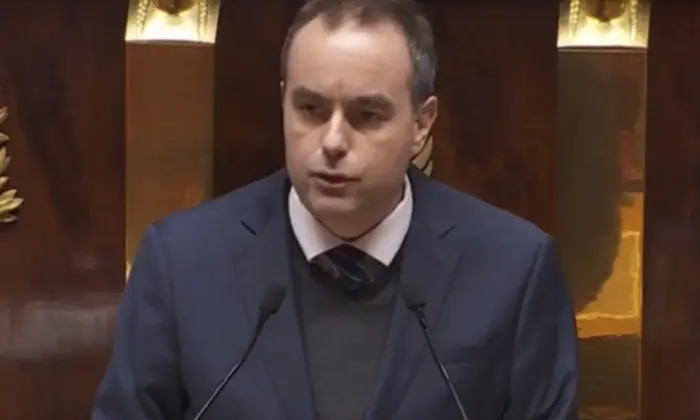
French Government Adopts 2026 Budget
According to Главком: France's government has enacted the 2026 budget without a parliamentary vote by invoking special constitutional powers. Prime Minister Sebastien Lecornu made this decision using Article 49.3 of the French Constitution. This controversial clause allows a bill to pass automatically unless parliament passes a motion of no confidence within 24 hours. The use of this mechanism is a recurring feature of French political life, often deployed to bypass legislative gridlock.
The French parliament retains the right to call a vote of no confidence on the budget, with this matter scheduled for consideration on January 23. Should parliament support such a motion, it could trigger significant political consequences for the government. President Emmanuel Macron has already approved a special law intended to compensate for the initial absence of a 2026 budget.
Political Repercussions and Public Debate
Sebastien Lecornu was appointed Prime Minister following a previous term that lasted only 27 days, with the new government lineup announced in October 2022. It is also noted that Emmanuel Macron does not plan to join the newly proposed Peace Council initiated by Donald Trump.
The adoption of the budget without a vote has sparked debate across society and among political analysts, who view this practice as a significant moment in the nation's governance.
Passing the budget without a vote underscores the ongoing tension between the government and parliament in France and calls into question the stability of the current administration. If parliament decides to vote for a motion of no confidence, it could precipitate a new political crisis, affecting the country's future direction. This situation also reflects broader trends in European democracies, where governments occasionally resort to extraordinary measures to pass legislation in politically fragmented environments.

Read also