Lithuanian Government Steps Down After Just Nine Months in Office

Collapse of Lithuania's Coalition Government
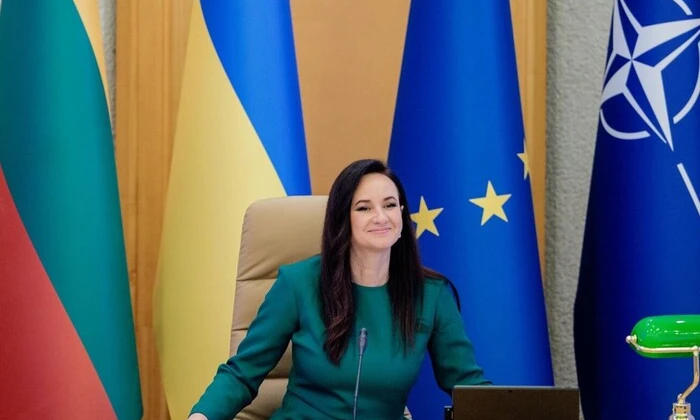
According to Главком: Prime Minister Ingrida Šimonytė's coalition government has resigned after only nine months. The move was triggered by the Social Democratic Party of Lithuania withdrawing from its alliance with the Nemunas Dawn party. As the largest faction in the Seimas, the Social Democrats now hold the power to assemble a new governing coalition.
Under a fresh agreement, the Social Democratic Party has partnered with the Lithuanian Union of Peasants, Greens, and Christian Families, as well as the Democrats' Union "For Lithuania," to form the next government. Mindaugas Sinkevičius is expected to become the new prime minister, with his cabinet retaining most ministerial posts. The current administration under Ingrida Šimonytė will officially cease its duties on June 30.
Political Shifts Across the Region
It is worth noting that the Social Democrats won the 2024 parliamentary elections and initially formed a government led by Gintautas Paluckas. However, in 2025, Paluckas' government resigned amid a corruption scandal, after which Ingrida Šimonytė took over as prime minister. This latest resignation is not linked to any corruption allegations.
Meanwhile, neighboring Latvia also saw a change in government in May. Latvian Prime Minister Evika Siliņa stepped down during a political crisis sparked by a drone incident. On the night of May 7, two drones entered Latvian airspace from the Russian border, with one crashing onto the territory of an oil depot in the city of Rēzekne. Following Siliņa's resignation, Latvia's Defense Minister Andris Sprūds also left his post.
- On May 28, Latvia approved a new government, even though two of the three ruling coalition parties-the Union of Greens and Farmers and the Progressive Party-declared that the government had lost its effectiveness.
The resignation of Lithuania's government highlights the fluid political landscape in the country, where coalition shifts can significantly impact governance and policy. The new Social Democrat-led administration will have the opportunity to advance its own agenda, potentially shaping Lithuania's socio-economic trajectory. These developments also carry implications for regional partnerships, especially in light of the recent political turbulence in Latvia.
The recent political changes in Lithuania echo similar developments in neighboring Latvia, where a new government has been established following significant upheaval. As both countries navigate their political landscapes, it is essential to understand the implications of these transitions. For more details on Latvia's new leadership and the circumstances surrounding it, check out the article on the approval of the new government led by Andris Kulbergs.

Read also