Ukraine's Government Unveils Plan to Split Pensions into Basic and Insurance Components

Ukraine's Proposed Pension Reform Framework
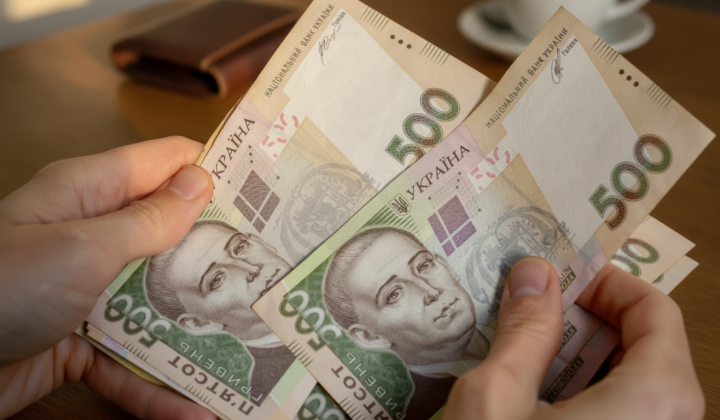
According to ХВИЛЯ: On June 9, 2026, the Ukrainian government presented a pension reform concept to parliament that divides pensions into two parts: a basic component and an insurance component. The basic part, backed by a state guarantee, is expected to be around 6,000 hryvnias, while the insurance part will be calculated using a points-based system. The reform aims to boost payouts for individuals with full work records, but the actual pension amount will depend on the Budget Capacity Coefficient (BCC) and annual government decisions on the value of each point.
Historical data shows that in 2005, the average salary used for pension calculations was roughly 600 hryvnias, whereas by 2025, this figure had climbed to 17,000 hryvnias. Currently, nearly half of Ukrainian retirees receive less than 5,000 hryvnias per month. The new concept splits the pension into a basic guarantee for everyone who reaches retirement age with the required years of service, and an insurance portion that reflects an individual's work history through a point system.
The BCC Mechanism and Its Impact
The reform incorporates the BCC mechanism, which will directly affect pension payout amounts. As Iryna Polyakova explained,
'If there is money in the budget, the point is worth its full price. If not, the point's value drops, and your pension shrinks along with it.'
This means pensions will become more dependent on the state budget's financial health. The plan also includes retroactive point calculations for those already receiving pensions.
The government intends to set a fixed amount for the basic pension component, while parliament insists on tying it to the subsistence minimum. The final version of the reform is expected to be registered in the Verkhovna Rada by fall of this year, with adoption targeted by year-end. Implementation will be phased over several subsequent years. As Polyakova noted,
'The reform supposedly makes our pensions more transparent, but they will increasingly depend on decisions made by those in power, rather than on what we actually contributed through our labor.'
In essence, the new pension reform concept seeks to address the problem of inadequate retirement payouts, but raises concerns about how much pension sizes will hinge on external factors and government choices.
This reform represents a significant step toward improving Ukraine's pension system, as it could enhance financial stability for retirees with full work histories. However, its reliance on the budget and government decisions regarding the BCC may create uncertainty for many Ukrainians when planning their futures. The question of linking the basic pension component to the subsistence minimum remains unresolved and requires further parliamentary debate.
As the government outlines its ambitious pension reform, understanding the details of the proposed changes is crucial for retirees and future pensioners alike. The submitted overhaul blueprint adds further context to how these reforms will be implemented, including the mechanisms that will determine the stability and adequacy of pension payouts based on budgetary constraints.

Read also