409,000 contract soldiers: Russia's draft offices are turning to raids and coercion to fill the ranks

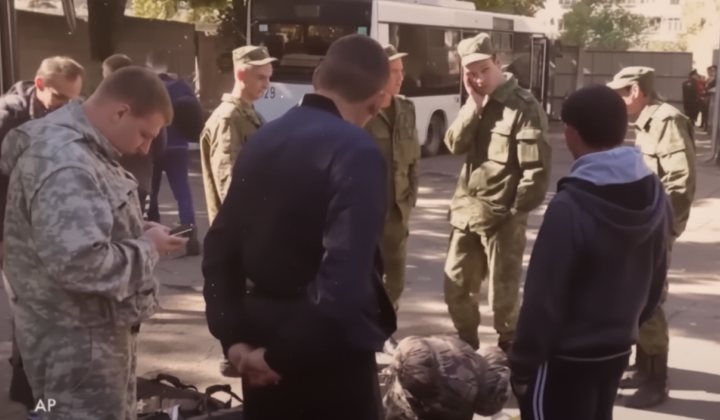
Pressure on men to sign military contracts
According to ХВИЛЯ: Russian military enlistment offices, known as voenkomaty, are stepping up pressure on civilian men as the Kremlin tries to avoid another mass mobilization. Western estimates put Russia's losses at more than 30,000 soldiers per month, with nearly 500,000 killed in total. Though the government has raised cash inducements, too few men are volunteering, and desertions are increasing. Local authorities have been given annual hiring targets totaling 409,000 contract troops, and many Russians believe a new mobilization could be announced after the September State Duma elections.
Raids, detentions, and targeted pressure
Men are being pursued in public spaces and at their workplaces. Police in Penza have conducted raids at enterprises and brought workers to military enlistment offices. In Rostov, 35 factory employees were detained. In Khabarovsk Krai, police reported 2,500 conversations with potential candidates; only 32 of those men agreed to sign contracts, and 28 of them were already defendants in criminal cases. Even people with severe injuries, such as a man in Ulyanovsk, have faced pressure to sign up.
The recruitment problem is also visible in official statistics: at least 28,000 servicemen have been convicted for leaving their units. In response, the authorities are offering new recruits up to 4.5 million rubles (about 56,000 dollars) per contract. Yet there are still not enough volunteers. As Grigory Sverdlin put it, "Losses are being made up by people who sign new contracts, but the number of willing volunteers has been insufficient for a long time."
Dmitry Medvedev has said the military plans to recruit another 200,000 contract soldiers during the first half of 2026. Military expert Michael Kofman, however, has pointed out that Russia's offensive capacity did not grow in line with the size of its force. "The larger the Russian army became, the smaller the share of it they could use on the battlefield at a given moment," Kofman said.
Local officials, facing enormous pressure to meet quotas, use detailed information about men's debts, criminal histories, and personal problems to target the most vulnerable recruits. "Each category has its own trap, designed to pressure or deceive people into signing," said military lawyer Artem Klyaga. In the wider public, there is an uneasy expectation that the post-election period will bring change. "I have no idea whether they will announce mobilization or not," one person said. "But everyone has a feeling that something will happen after the elections."
With recruitment pressure intensifying, desertion rising, and talk of a possible draft growing, the situation inside Russia remains tense. The government is trying to offset its battlefield losses with volunteer contracts, but a shrinking pool of willing sign-ups and a growing number of desertion convictions complicate the military's ability to maintain its units. The threat of another mobilization after the parliamentary elections could make social tensions even worse.

Read also