EU Voting Reform After Orban: What It Means for Ukraine's Future

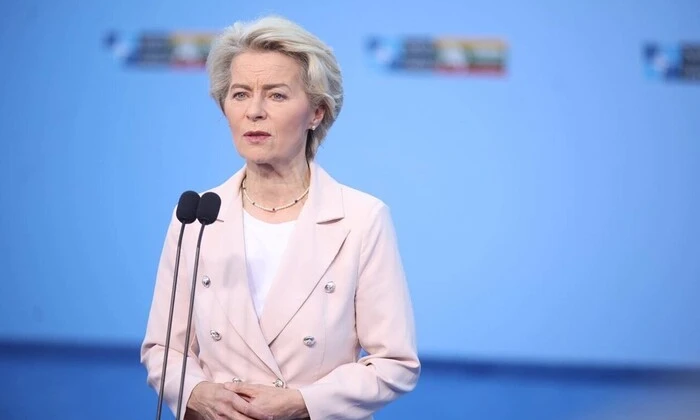
Von der Leyen Advocates for Majority Rule in EU Foreign Policy
According to Главком: European Commission President Ursula von der Leyen has urged EU member states to adopt qualified majority voting for decisions on foreign policy. This call for reform follows the electoral defeat of Hungary's long-serving Prime Minister, Viktor Orban, after 16 years in power. Von der Leyen also commented on the future role of Peter Magyar, the leader of the opposition Tisza party and Hungary's likely next prime minister, stressing the importance of establishing a working relationship with the new Hungarian government once it is formed. This push for reform reflects a broader effort within the EU to make its decision-making process more efficient and resilient to unilateral obstruction.
In her remarks, von der Leyen stated that moving to majority voting is a 'crucial way to avoid the systemic blockades we have seen in the past.' She emphasized that Hungary's incoming government must continue to cooperate with the European Union, noting:
'We already see that he is very clearly on a European path, committing the new government to continue cooperation with us.'
The Significance of an EU Policy Shift
Under Viktor Orban's leadership, Hungary has repeatedly blocked key EU initiatives, including:
- The 20th sanctions package against Russia
- A 90 billion euro loan
Furthermore, the EU has tied the release of approximately 35 billion euros in frozen funds for Hungary to the fulfillment of 27 conditions, which demand sweeping reforms and a decisive break from Orban's policies. Orban had previously declared that 'Budapest will not support decisions that are advantageous for Ukraine.'
Under the proposed new rules, EU foreign policy decisions-such as imposing sanctions on Russia or approving funding for Ukraine-would be adopted by majority vote rather than requiring unanimous consent. This change could significantly alter the EU's decision-making dynamics, especially in dealings with Hungary's new administration.
Adopting qualified majority voting in foreign policy could streamline the EU's decision process and reduce the ability of a single member to stall vital initiatives, a frequent occurrence during the Orban era. With a new prime minister in Budapest, the EU hopes for a more constructive and cooperative approach, which could positively influence the bloc's overall direction on foreign policy and security matters.
As the EU navigates this potential shift in foreign policy dynamics, the recent electoral changes in Hungary mark a significant turning point. With Hungary's political landscape evolving, the implications for Ukraine's future relationship with the EU could be profound, especially in light of previous obstacles faced under Orban's administration.

Read also