Thousands of Artifacts Unearthed After Three Years of Excavating a 2,000-Year-Old Przeworsk Culture Cemetery in Poland

Exploring the Przeworsk Culture Burial Site
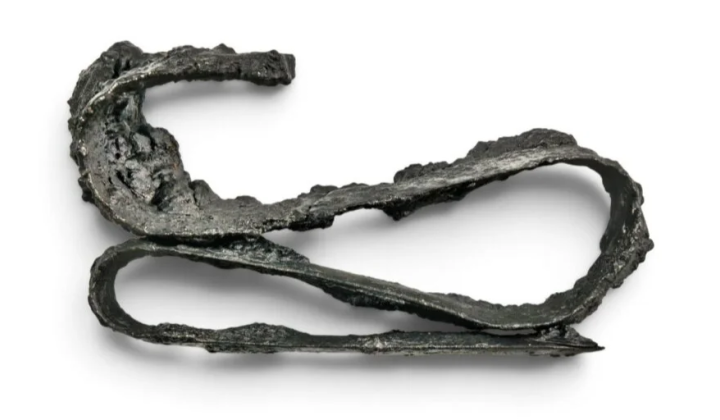
According to НВ — Техно: After an extensive three-year excavation in the Baranów district of Poland, archaeologists have uncovered thousands of artifacts from a 2,000-year-old cemetery linked to the Przeworsk culture. This site, which was in use for roughly two to three centuries, offers valuable insights into the funerary customs and beliefs of Central European communities that lived beyond the boundaries of the Roman Empire. Among the finds are ritualistically bent iron swords, spearheads, shield fragments, and cremation urns.
A particularly notable discovery includes a rare crescent-shaped metal necklace featuring intricate filigree work. Jewelry uncovered at the cemetery also encompasses:
- fibulae (ancient brooches)
- beads
- weaving tools
The Przeworsk people practiced cremation burials, placing bones in urns or grave pits alongside weapons and adornments, highlighting the complexity of their ritualistic traditions.
Discovery of a Medieval Sword in the Warta River
In a separate find in 2026, a medieval sword dating back to the 11th century was retrieved from the Warta River near the town of Wronki in western Poland. This remarkable artifact was announced by the Museum of the Wronki Region after Miroslaw Tucholski, an amateur archaeologist, recovered the sword and informed local authorities. Professional archaeologist Ryszard Pietrzak authenticated the sword and dated it to the early medieval period, suggesting it was likely crafted during the Piast dynasty amid the era’s military conflicts in Central Europe. The museum described the find as
“sensational.”
These discoveries emphasize the crucial role archaeology plays in deepening our understanding of Central Europe’s cultural heritage. The artifacts from the Przeworsk cemetery shed light on ancient rituals and belief systems outside Roman control, while the medieval sword highlights ongoing interest in the region’s historical narrative and the valuable contributions of amateur archaeologists. Together, these finds open new avenues for research and public engagement with Poland’s rich historical and cultural traditions.
In addition to the fascinating discoveries at the Przeworsk cemetery, the field of archaeology continues to reveal remarkable artifacts from various periods. Recently, an anonymous donation of ancient weaponry from the Vandal era was made to a museum, further enriching our understanding of historical burial practices and cultural exchanges in Europe.

Read also