Turning PVC Waste into Synthetic Motor Oil: A Breakthrough Eco-Friendly Approach

Giving Plastic a New Purpose
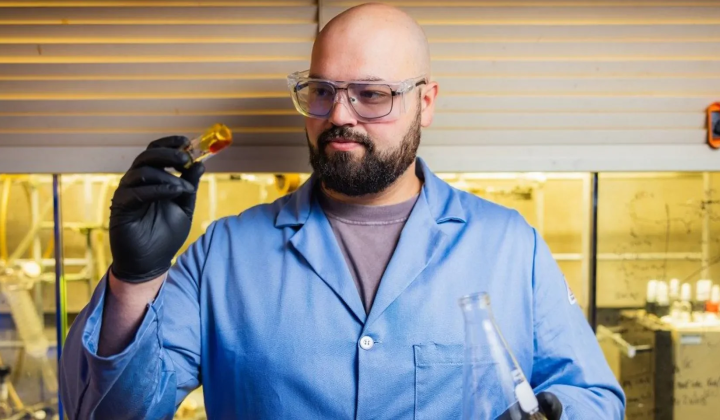
According to НВ — Техно: Researchers at Virginia Polytechnic Institute have pioneered a chemical technique that transforms polyvinyl chloride (PVC) waste into premium synthetic motor oil derived from polyalphaolefins. Published in Nature, this innovation offers a sustainable solution to repurpose difficult-to-recycle plastic materials like old plumbing pipes, window frames, and credit cards into valuable motor oil components.
Innovative PVC Recycling Process
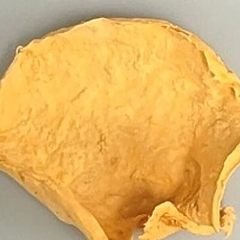
PVC recycling poses challenges due to its chlorine content and additives. The team from Virginia Tech developed a process that converts PVC into polyalphaolefin, a key ingredient in modern synthetic lubricants. Their method involves dissolving PVC in a solvent containing aluminum trichloride and alpha-olefins, then heating the mixture to 70°C for three hours. This results in a thick base motor oil suitable for further refinement.
Led by chemist Golan Liu, the researchers aim to scale up production while enhancing the environmental sustainability of the method. As global demand for industrial lubricants continues to rise, conventional motor oil production exerts significant ecological pressure. Since PVC waste commonly ends up in landfills, this technique could provide an effective way to divert plastic debris into useful products.
This advancement not only opens new avenues for managing plastic waste but also has the potential to drastically reduce the environmental impact associated with traditional lubricant manufacturing. Given the escalating concerns over pollution and resource depletion, such innovations represent crucial strides toward more sustainable industry practices. Future development and commercialization will determine how widely this technology can be adopted in manufacturing.
As advancements in sustainable technologies continue to emerge, it's important to explore various solutions addressing environmental challenges. For instance, while the transformation of PVC waste into synthetic motor oil presents a promising approach, researchers are also making strides in water purification methods. A recent study from American scientists highlights a cost-effective technique that efficiently targets PFAS contaminants at just 110 °C. This innovative development signifies a crucial step towards cleaner water sources. To learn more about this breakthrough in water treatment, visit this article on affordable water purification.

Read also