Scientists Engineer Grain Immune Receptors to Combat Devastating Magnaporthe oryzae Fungus

A Major Advancement in Crop Breeding
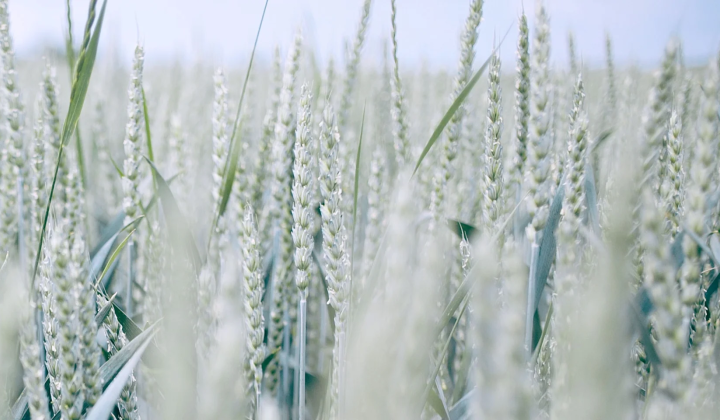
According to НВ — Техно: Researchers have developed a novel method to shield wheat, rice, and barley from the harmful fungus Magnaporthe oryzae. An international team successfully reengineered the natural immune receptors found in these cereal crops to defend against this pathogen, which causes the destructive disease known as rice blast. This breakthrough, the culmination of extensive research efforts, was recently published in the journal Science Advances.
The Threat Posed by Magnaporthe oryzae
Magnaporthe oryzae ranks among the most dangerous fungal pathogens affecting staple grains such as rice, wheat, and barley across many regions in Asia and Africa. Each year, rice blast disease results in crop losses sufficient to feed approximately 60 million people. The scientists focused on enhancing NLR-class immune proteins, which have been studied for decades, but their latest work highlights the critical role of tandem kinase proteins (TKPs) in grain immunity against this pathogen.
The modified TKP protein can detect two distinct fungal effectors simultaneously, enabling it to block multiple pathogen strains at once. Within the protein’s HMA domain, these fungal effectors bind, triggering the plant’s immune response and providing robust resistance. This discovery holds significant promise for improving agricultural practices and food security in regions heavily impacted by rice blast disease.
This innovation has the potential to transform farming systems, particularly in areas where rice blast severely reduces yields. Strengthening the resilience of key cereal crops not only enhances food availability but could also boost the economies of countries reliant on agriculture. Improving plant immune mechanisms represents a crucial step toward addressing global food challenges amid climate change and a growing population.

Read also