How Microplastics Are Shifting the Pacific Ocean’s Color in the Great Pacific Garbage Patch

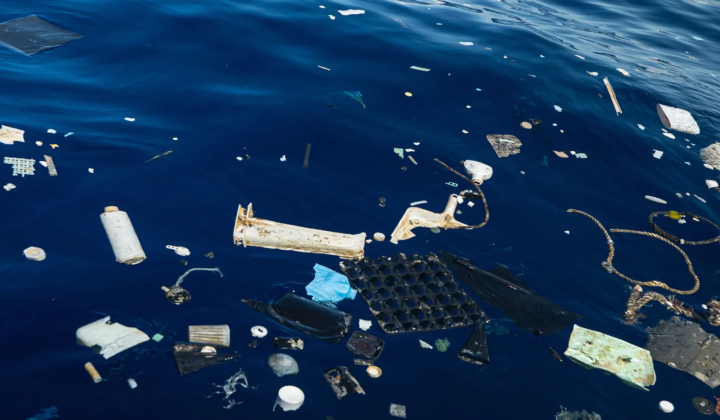
The Role of Microplastics in Altering Ocean Hue
According to НВ — Техно: Researchers from the University of Bergen have uncovered that microplastics within the Great Pacific Garbage Patch are influencing the ocean’s coloration, gradually intensifying its blue-green tint between 2002 and 2022. Located in the northern Pacific Ocean, this massive accumulation of debris covers an area roughly twice the size of Texas. Estimates from 2018 suggest it contains about 1.8 trillion plastic fragments weighing nearly 79,000 tons.
The study revealed that while microplastics comprise 94% of the debris by count, they make up only 8% of the total mass. The bulk of the weight comes from discarded fishing gear and related equipment. Lead researchers Shi Chitem, Daniel Kestner, and Berge Hamre examined how microplastics interact with light, finding that these tiny particles scatter visible light extensively but absorb very little. This scattering effect enhances the brightness of blue and green shades in the water.
Findings and Environmental Implications
Analysis of three satellite datasets spanning 2002 to 2022 showed a significant increase in ocean brightness in blue and green wavelengths over the garbage patch area. However, direct field measurements are still needed to conclusively link these color changes to microplastic presence. Plans are underway to collect water samples from the patch to measure its optical properties and determine precise microplastic concentrations.
It’s important to consider that natural elements also affect ocean color, including:
- phytoplankton,
- dissolved organic matter,
- and mineral dust.
Phytoplankton absorbs blue and red light, lending a greener hue to the water, while dissolved organics can darken it with brownish tones. Mineral dust, more common near coastlines, can brighten the water, but data from monitoring stations near the patch show no significant changes in dust levels during the study period.
While specialized technologies can remove large plastic debris and fishing gear from the ocean, extracting microplastics remains a far more complex challenge. As Shi Chitem pointed out:
"Removing the smallest plastic particles from the water column is practically impossible."
Microplastics can enter the base of marine food chains and eventually reach humans through seafood consumption. Preventing plastic pollution at its source is currently the most effective strategy to protect ocean health.
This research highlights the growing environmental threat posed by microplastic pollution and its potential to disrupt marine ecosystems. Changes in water color can influence photosynthesis processes vital to ocean life, underlining the need for ongoing monitoring and deeper investigation into how pollution impacts oceanic ecosystems worldwide.
As researchers continue to explore the complex interactions of microplastics in marine environments, recent findings highlight another alarming consequence: these particles in water can release harmful radicals that damage DNA. Understanding the broader implications of microplastics is crucial, especially as we uncover their multifaceted impacts on ocean health. For more on the dangers posed by microplastics, see how these pollutants threaten cellular integrity.

Read also