No Sorting Needed: New Method Turns Mixed Plastics into Hydrogen Fuel

According to НВ — Техно: Plastic waste remains one of the most pressing environmental issues, and current recycling processes often demand meticulous sorting by type. A team of researchers from the University of California, Los Angeles (UCLA) and institutions in South Korea has now introduced a technique called alkaline thermal treatment (ATT) that can convert unsorted plastic waste directly into hydrogen. The method operates at temperatures 300–400°C lower than existing alternatives, making it more energy-efficient.
How the Alkaline Thermal Treatment Works
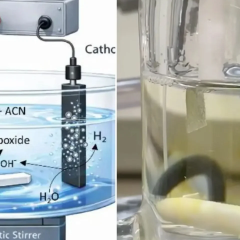
ATT uses sodium hydroxide combined with heating to break down plastics. In laboratory tests, the team applied it to a mixture of three common plastics:
- polyethylene terephthalate (PET)
- polyethylene (PE)
- polypropylene (PP)
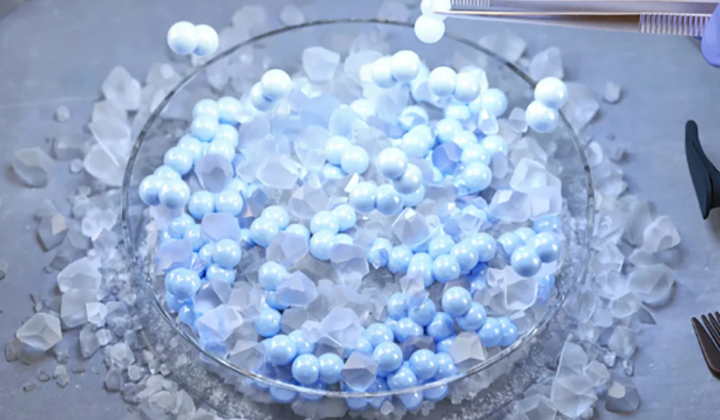
To boost hydrogen yield, the polyethylene and polypropylene were first preheated and oxidized. The process produced hydrogen with over 90% purity while locking roughly 75% of the carbon into a solid form, thereby preventing CO₂ emissions. The experiments used small samples from everyday items such as bags, straws, containers, and beverage bottles.
Notably, the same approach had already been tried for extracting hydrogen from seaweed. The next research phase will focus on scaling up the technology for industrial use, which could significantly impact how plastic waste is managed globally.
This new pathway to hydrogen fuel from mixed plastic waste-without requiring any sorting-could become a major breakthrough in cutting plastic pollution worldwide.
Because the process runs at lower temperatures, it also reduces the energy needed for recycling. If a commercial version succeeds, the method may reshape waste management strategies and accelerate the shift toward more sustainable resource use.
As researchers continue to innovate in the realm of plastic waste management, another intriguing development has emerged: scientists have created self-destructing plastic that eliminates microplastics. This advancement complements the efforts to address environmental challenges posed by plastic pollution, showcasing the potential for more sustainable materials and methods in our fight against waste.

Read also