Israeli Researchers Innovate Membrane-Free Electrolysis to Produce Green Hydrogen and Valuable Epoxides Simultaneously

Revolutionizing Green Hydrogen Production
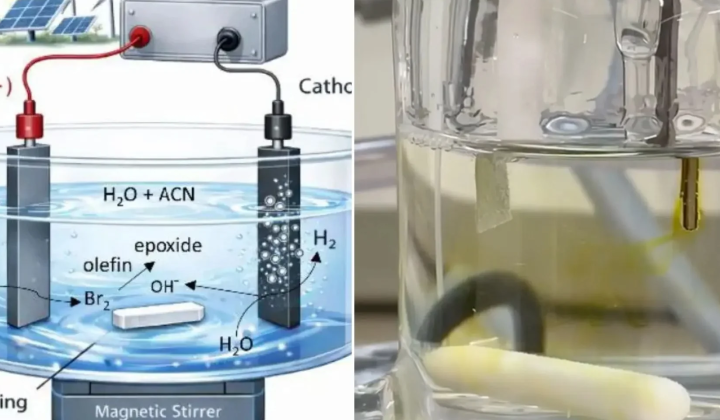
According to НВ — Техно: Scientists at Israel's Technion Institute have pioneered a membrane-free electrolysis technique that generates green hydrogen while simultaneously synthesizing epoxides-an important class of organic compounds. This breakthrough method achieves an impressive energy efficiency of up to 98%, significantly lowering the production cost of green hydrogen and enhancing its competitiveness against fossil fuels.
Unlike conventional electrolysis systems that rely on internal membranes, this new approach eliminates the need for such components. Traditional methods consume roughly half of the electrical energy producing oxygen, which typically has no commercial value. By minimizing these losses, the innovative technique promises substantial cost reductions. Laboratory tests have demonstrated current densities consistent with industrial standards, highlighting the strong potential for scaling up this technology.
Future Outlook and Industry Impact
The research team, led by Professor Avner Rothschild and scientist Guilin Zhuan, has already filed a patent application in the United States. Their work builds upon earlier advances from Professor Rothschild’s group, which laid the groundwork for the startup H2Pro. Funding was provided by the European Research Council through the H2Bro grant and supported by the Israeli Council for Higher Education.
Green hydrogen is gaining recognition as a key solution to reduce emissions in heavy industries. However, before widespread adoption, the process must be validated for long-term stability in large-scale plants. Industrial interest in this emerging technology is strong, signaling promising commercial opportunities and potential integration into existing energy infrastructures.
This innovation could transform hydrogen production methods and reshape the global energy landscape. Source: Technion Researchers
Lowering the cost of green hydrogen production enhances its appeal to industry players, potentially accelerating the transition to sustainable technologies worldwide. Given the urgent global push to cut carbon emissions, successfully scaling this technology could mark a significant milestone in combating climate change.
This breakthrough in electrolysis aligns with other innovative approaches in the hydrogen sector, such as the development of solar-powered materials aimed at reducing production costs. As the demand for sustainable energy solutions increases, these advancements collectively pave the way for a more efficient and economically viable hydrogen fuel industry.

Read also