Alzheimer’s Defense Protein SORLA Discovered by Scientists

Toxic Tangles Blocked. A Newly Studied Protein May Shield the Brain from Alzheimer’s Disease
According to НВ — Техно: July 21, 08:00
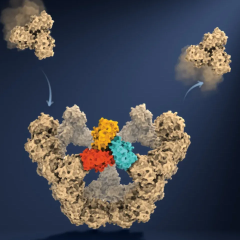
Alzheimer’s disease is a devastating neurodegenerative condition marked by the buildup of harmful proteins in the brain. A team from Sanford Burnham Prebys has now found that a protein called SORLA could play a protective role. In mouse experiments, SORLA reduced the accumulation of toxic tau protein, slowed brain shrinkage, and helped preserve the connections between nerve cells, known as synapses.
How SORLA Affected Mouse Brains
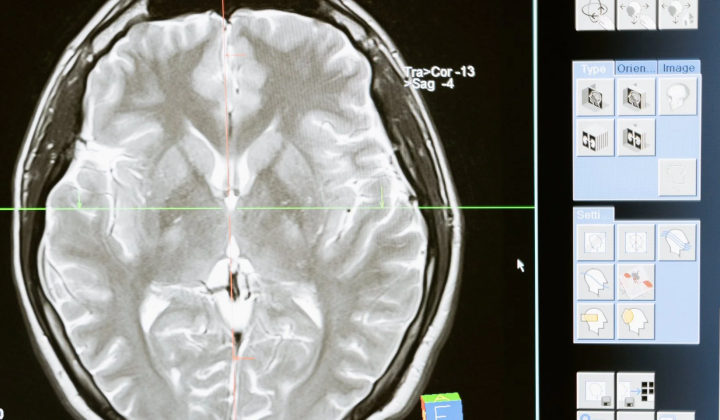
To test its effects, researchers bred mice with elevated SORLA levels together with mice that naturally developed tau tangles and brain atrophy. The results showed that SORLA slowed the formation of toxic tau clusters and reduced excessive chemical modifications of tau that cause it to clump. It also prevented the spread of already-damaged tau proteins. Mice with higher SORLA levels experienced less brain atrophy and less tau buildup. These animals also maintained more synapses, indicating a positive influence on both neurons and glial cells.
Mice unable to produce SORLA due to a missing Sorl1 gene suffered far more severe brain damage. Without SORLA, certain receptors in glial cells became hyperactive, suggesting harmful processes linked to disease progression.
“Boosting SORLA levels suppresses the negative processes typical of tau-related diseases,” the authors noted.
Moving forward, the team plans to investigate how SORLA functions in human nerve cells. Some existing drugs are already known to target the receptors that became overactive when SORLA was absent. These findings open new avenues for understanding how the brain defends itself against Alzheimer’s.
This research could reshape future strategies for treating and preventing Alzheimer’s. Identifying SORLA as a potential brain protector offers fresh opportunities for therapies that might slow or even halt the progression of this neurodegenerative disease. Studies in human cells will help determine whether SORLA can serve as a target for new medications, potentially transforming care for Alzheimer’s patients.
Understanding the underlying mechanisms of Alzheimer’s is crucial for developing effective treatments. Recent research highlights how molecular interactions within neurons may initiate the disease process. For a deeper insight into these cellular dynamics, explore our article on the molecular triggers of Alzheimer’s inside neurons.

Read also