Ancient Lunar Magnetic Field Revealed Beneath Dewar Crater, Dating Back Over 4.2 Billion Years

Uncovering a Magnetic Formation on the Moon's Far Side
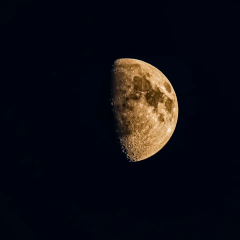
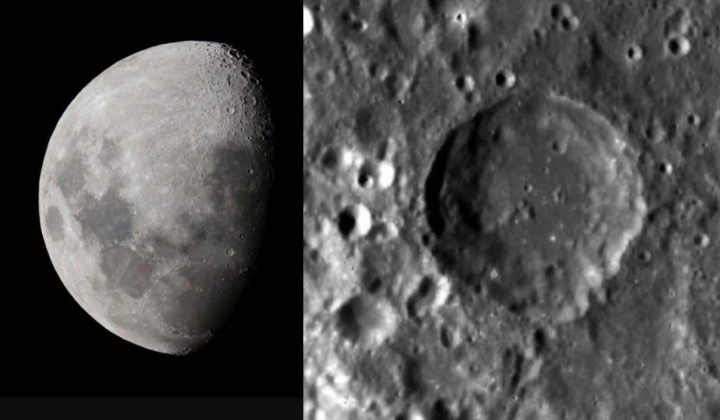
According to Radiotrek — Світ: Researchers have identified a significant magnetic structure beneath the far side of the Moon, near the Dewar crater. This finding provides compelling evidence that the Moon once possessed a magnetic field dating back approximately 4.2 billion years. Studies estimate that this ancient lunar magnetic field reached strengths around 11 microteslas, considerably weaker than Earth's present-day magnetic field of about 50 microteslas.
The magnetic anomaly detected spans roughly 60 kilometers and is believed to have originated from solidified magma that rose from deep within the Moon’s interior billions of years ago. This structure is also associated with variations in the gravitational field and distinctive bright surface patterns, highlighting its unique geological nature.
Innovative Research Techniques and Their Impact
Previous attempts to confirm the Moon’s magnetic history relied on rock samples gathered during the Apollo missions. However, this new approach bypasses the need for physical sample collection, allowing scientists to study the lunar magnetic field remotely and more efficiently. Such advancements offer fresh insights into the Moon’s geological evolution and its magnetic past.
Discovering this magnetic formation on the Moon’s far side emphasizes the importance of continued geological exploration of our natural satellite. Utilizing cutting-edge technology to analyze subsurface structures without soil extraction opens promising avenues for future lunar research. These breakthroughs not only deepen our understanding of the Moon’s formation and magnetic development but also provide a foundation for upcoming missions to explore other celestial bodies in our solar system.
Understanding the geological differences between the Moon's near and far sides is crucial for interpreting these recent findings. Insights from Chinese lunar samples have shed light on the varying geological characteristics, which may further illuminate the implications of the newly discovered magnetic field beneath the Dewar crater.

Read also