Common Kitchen Sponges Pose a Hidden Environmental Threat, Scientists Warn

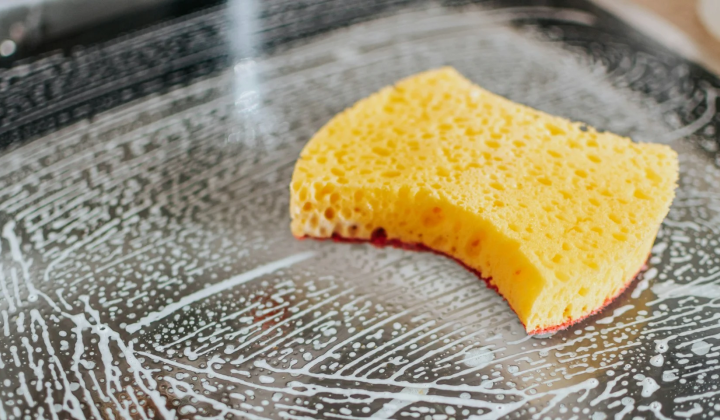
How Dishwashing Sponges Affect the Environment
According to НВ — Техно: A study published in Science Daily has identified kitchen sponges as a notable source of microplastic pollution. Through lab tests and real-world experiments conducted in households across Germany and North America, researchers found that annual microplastic emissions per person can range from 0.68 to 4.21 grams. This highlights how everyday household items can have a serious environmental impact.
Research Methods
During the study, households in Germany and North America used one of three sponge types. Specialists weighed the products before and after use to precisely measure material loss during normal use. Controlled lab experiments were carried out using an automated system called SpongeBot, which ensured accuracy and reliability. Every sponge tested showed material loss over time, confirming their contribution to environmental pollution.
To put the issue into perspective, scientists estimate that if a certain sponge type were used in every German household, annual microplastic emissions could reach 355 tons. However, researchers note that the main environmental concern with hand-washing dishes is water consumption, which accounts for an estimated 85% to 97% of the total negative impact on ecosystems. These findings underscore the importance of making informed choices about household cleaning products and dishwashing methods to reduce one's ecological footprint.
The study's results reveal that everyday items we use can have a significant environmental impact. Beyond microplastics, water usage remains a critical ecological issue, pointing to the need for more sustainable dishwashing alternatives. Consumer choices play a key role in minimizing harm to nature and conserving resources.

Read also