A new brain study reveals the neural roots of misophonia—and why it's a sliding scale, not a binary condition

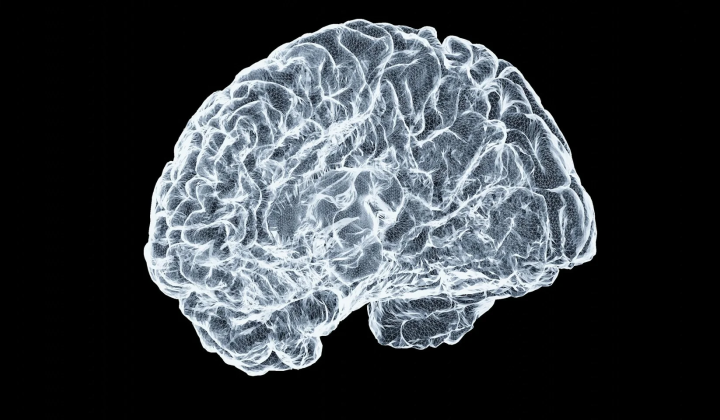
Everyday sounds like chewing and sniffing can cause fury-researchers trace misophonia to specific brain circuits
According to НВ — Техно: On August 4 at 18:30, a team from Montreal Neurological Institute in Canada and the University of Oklahoma in the US published a misophonia study in Human Brain Mapping. The research drew on fMRI data from 162 adults and questionnaire responses from 777 people. The scientists found that misophonia works like a continuous spectrum, rather than a clear-cut condition that separates affected individuals from unaffected ones.
In misophonia, routine noises such as chewing or sniffing can provoke an outsized reaction, irritation, and even rage. Roughly one in five people experiences this. The investigation identified the anterior insular cortex-part of the brain's salience network-as central to the phenomenon. That network helps process pain, disgust, internal and external cues, and attention allocation.
What shapes the intensity of misophonia
How strongly someone experiences misophonia tracks with how well the anterior insular cortex syncs up with salience-network regions involved in auditory perception, motor control, and movement planning. Notably, the neural activity seen in this work did not match patterns typical of anxiety, depression, or autism. The findings also suggest that misophonia is not an either/or condition: instead, it exists along a sliding scale. When the scientists tried to force the sample into two distinct groups, the statistical patterns dissolved.
Participants in the imaging portion were not directly exposed to trigger sounds, and the use of a general-population database helped prevent oversampling of severe cases. That makes the findings relevant for understanding how misophonia shows up in everyday behavior and how it might be studied further.
Legal note: this article offers general reference information and should not be treated as a substitute for medical advice from a doctor.
Because the results frame misophonia as a spectral disorder, they could help refine diagnostic tools and treatment strategies. Pinpointing the underlying neural circuitry may also open new lines of inquiry in neurology and psychiatry, potentially leading to better support for people struggling with this condition. Misophonia has long been misunderstood, and identifying a concrete brain basis offers a valuable counterweight to those who dismiss it.
Understanding misophonia not only sheds light on how specific brain circuits influence our reactions to everyday sounds but also parallels recent discussions in neuroscience. For instance, a new study has challenged the longstanding cerebellum theory, highlighting the evolving nature of our knowledge about brain functionality. Explore how these findings interconnect and what they reveal about the complexities of brain mechanisms in our understanding of brain functions.

Read also