Warm-Blooded Ancestry of Crocodiles Revealed by Scientists

A Startling Twist in the Archosaur Story
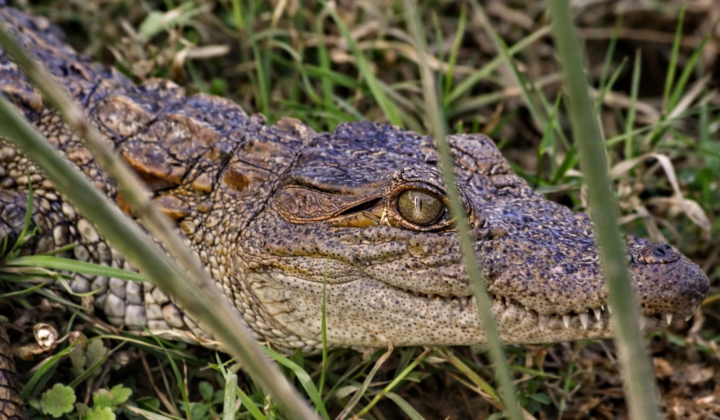
According to НВ — Техно: New research led by Australian scientist Roger Seymour suggests that the forerunners of modern crocodiles were actually warm-blooded. By examining the cardiovascular system and 81 fossilized thigh bones, the team found evidence of a high metabolic rate among these ancient alligator relatives. The finding challenges long-held assumptions about reptilian metabolism and adds a fresh dimension to debates over when endothermy first evolved.
Archosaur Divergence and Metabolic Change
Archosaurs, the group from which birds and alligators descend, first appeared roughly 250 million years ago during the Triassic period. Their lineage eventually split into two branches: one gave rise to modern reptiles, while the other produced dinosaurs and birds.
The heart itself provided the key anatomical clue. Modern reptiles possess a four-chambered cardiac system, a feature shared with birds and mammals, which points to significant evolutionary shifts. In addition, the scientists analyzed the blood-vessel openings in fossilized femurs from 81 ancient species. Those bones indicate that the early relatives of alligators were active, bipedal land predators with a well-developed vascular network.
The metabolic transformation occurred around 66 million years ago, when these toothed hunters moved into the water and adopted an ambush-based lifestyle. A slower metabolism allowed crocodiles to hold their breath underwater for hours at a time. In evolutionary terms, giving up warm blood may have saved this lineage from total extinction: after the catastrophic asteroid impact that wiped out most dinosaurs, a reduced metabolic rate helped crocodiles survive a period of global food scarcity.
The study has broad implications for understanding evolution in crocodiles and other archosaurs alike. Reassessing warm-bloodedness in ancient ancestors could reshape how scientists view animal adaptations across different habitats and long-term evolutionary strategies. It also highlights the crucial role of paleontological evidence in building new theories about species that may have had more in common with today's warm-blooded animals than previously believed.
The material was published on August 17 at 08:00.

Read also