How Water Arrived on Mercury: A New Discovery by Scientists

Unraveling the Mystery of Mercury's Water
According to НВ — Техно: On May 30, at 08:15, researchers from the United States have determined the origin of water on Mercury. Led by scientist Parvathy Prem, the study suggests that water on the planet likely came from a single asteroid or comet roughly 17 kilometers in diameter that crashed into its surface. Their findings were published in the Journal of Geophysical Research: Planets.
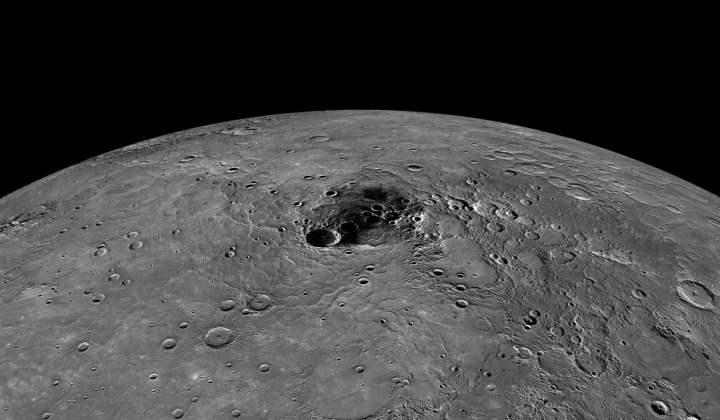
As the closest planet to the Sun, Mercury experiences extreme temperature swings: daytime highs reach 430 °C, while nighttime lows plunge to -180 °C. In the 1990s, Earth-based observations detected bright reflective patches near both of Mercury's poles, and in 2012, NASA's MESSENGER spacecraft confirmed the presence of water ice deposits there. This new research now provides a clearer explanation for how that ice may have formed.
New Insights and Broader Implications
According to the latest data, the asteroid or comet that may have delivered water to Mercury struck the planet at speeds of up to 30 km/s. This impact created a temporary atmosphere around Mercury roughly one hour after the event. Notably, a single day on Mercury lasts 157 Earth days, highlighting the planet's unique characteristics.
The study of water on Mercury is part of the larger BepiColombo mission, a joint effort by the European Space Agency and the Japan Aerospace Exploration Agency that launched in 2018. BepiColombo is expected to reach Mercury in November 2026. These investigations could offer fresh insights into the planet's geological history and its potential resources.
Finding water on Mercury holds significant implications not only for understanding this planet but also for broader theories about the formation and evolution of planetary systems. The research opens new avenues for future missions, which could explore Mercury's geological structure and assess the availability of resources that might support upcoming space expeditions. The approaching BepiColombo mission represents a key step in this effort, reinforcing Mercury's importance in the field of space exploration.

Read also