UK Secures $186 Million Deal with HII to Equip Royal Navy with REMUS 620 Underwater Drones

Significant Contract for Underwater Drone Supply
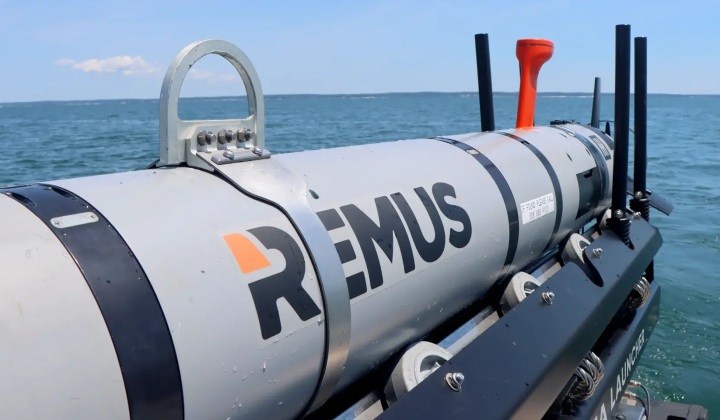
According to НВ — Техно: The British government has finalized a $186 million (approximately 8.4 billion UAH) agreement with the American shipbuilding firm HII to deliver REMUS 620 underwater drones for use by the Royal Navy. Signed on November 25, this contract will see the drones deployed primarily for mine detection and locating sunken vessels, with their operations fully integrated into the Royal Navy's Hybrid Navy strategy.
Capabilities of the REMUS 620 Autonomous Underwater Vehicles
The REMUS 620 drones are capable of underwater missions lasting up to 110 hours, reaching speeds up to 14.8 km/h, and diving depths of as much as 600 meters. They will operate alongside advanced software platforms such as SeeByte SeeTrack and Neptune. To date, HII has delivered over 750 REMUS units to more than 30 countries, including 14 NATO members.
- Some maintenance and servicing operations for these drones will be relocated to Portsmouth in the UK, creating 15 new jobs locally.
- This initiative is part of a broader UK defense investment plan, with total spending on autonomous military systems surpassing £5 billion (about 299 billion UAH).
Additionally, the UK and Norway have previously agreed on a £90 million ($118 million / roughly 5.3 billion UAH) project to build three mothership vessels. The Royal Navy already has experience utilizing REMUS drones for mine and wreck detection, and these new support vessels will complement drone operations under the updated Hybrid Navy framework.
'This investment strengthens our ability to safeguard freedom of navigation, which is vital to both our security and economy.' – Wes Streeting
This contract highlights the UK’s increasing focus on modernizing its naval forces through cutting-edge technology to enhance maritime security. As threats at sea continue to evolve, adopting autonomous systems stands to significantly boost the Royal Navy’s operational efficiency. By embracing these innovations, Britain aims to reinforce its defense capabilities and protect its strategic interests in key maritime regions.
As the Royal Navy continues to enhance its operational capabilities, the introduction of the Arctic Hunter USV marks a significant step in anti-submarine warfare strategies in challenging environments like the Arctic and North Atlantic. This development aligns with the UK's commitment to modernize its naval forces through advanced technologies, further solidifying its maritime security framework.

Read also