When Air Raid Alerts Hit Kyiv, Ukraine's Parliament Will Move Its Meetings Into a Shelter

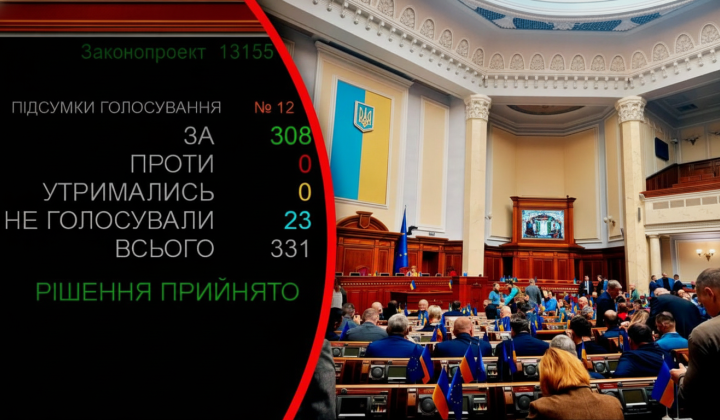
New Rules for the Verkhovna Rada's Work
According to 5 канал: Ukraine's Verkhovna Rada has decided that plenary sessions will be held in a specially equipped underground shelter whenever an air raid alert is declared in Kyiv. After the siren sounds, deputies have ten minutes to reach the protective hall. The new measure is intended to ensure the safety of lawmakers amid the constant danger of strikes. With Kyiv regularly coming under aerial attack in Russia's war, this adaptation has become a necessary part of parliamentary routine.
For voting, lawmakers will connect their own tablets or smartphones to a closed and secure network. A show-of-hands alternative was rejected because it would have considerably dragged out the process. The shelter is equipped with 368 workstations that can be expanded to 400, which should let deputies work effectively in the new setting.
Broadcast and Workflow Arrangements
Broadcasts of plenary sessions will go on without interruption. A separate protected room has already been prepared for media representatives. Importantly, the shelter arrangement is temporary: once the air alert ends, deputies will return to the main session hall. The parliament plans to test the entire shelter-based workflow during the coming week, after which the Verkhovna Rada will pass a separate resolution formally setting down rules for working during attack threats.
Channel 5 correspondent Maria Drozd reported the details of how the process will be organized.
Earlier, Olha Vasylevska-Smahliuk, a lawmaker from the Servant of the People party, also said that the Verkhovna Rada would continue working during air raid alerts in Kyiv. The innovation aims to ensure that parliament can carry on with its duties even in the most difficult circumstances of wartime.
The decision shows the parliament's determination to preserve the functioning of state institutions under the threat of attacks, which has become a critical issue amid the current military situation. Introducing new voting technology and organizing work in a shelter may also set an example of how public bodies can adapt to security-related challenges in Ukraine.

Read also