War Veteran: What It Is, Who Is Entitled to the Status and Benefits for Veterans

In 2026, the issue of war veteran status in Ukraine remains one of the key topics in the area of social protection. Given the prolonged armed aggression and large-scale mobilization, the number of individuals who directly participated in hostilities or ensured state defense has significantly increased. The state legislatively determines who is entitled to war veteran status, which categories are covered by this concept, and what guarantees are provided for such individuals.
The veteran status is not only a formal confirmation of participation in the country's defense but also a basis for receiving benefits, social guarantees, medical assistance, and other forms of support.
What is a War Veteran
The term 'war veteran' in 2026 is defined by Ukrainian legislation as a person who participated in the defense of the state, performed combat tasks, or facilitated national security and defense activities. The main regulatory act regulating this issue is the law on the status of war veterans and guarantees of their social protection.

The war veteran status encompasses not only military personnel of the Armed Forces of Ukraine but also representatives of other military formations, volunteer units, law enforcement agencies, as well as certain categories of civilians who performed tasks in combat zones. The defining criterion is the fact of participation in events aimed at repelling and containing armed aggression or being in the combat zone in accordance with the law.
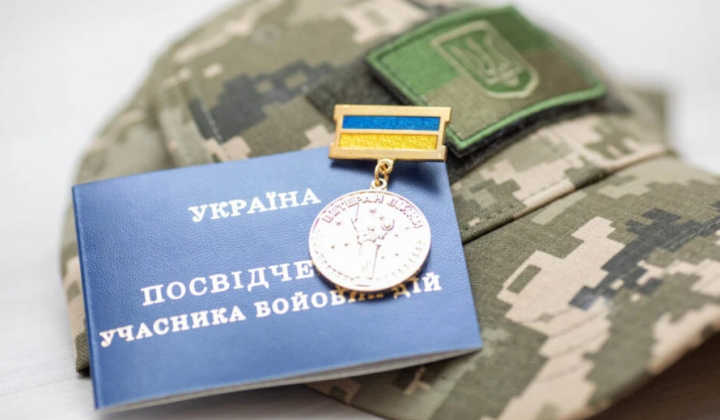
Granting veteran status is official and is confirmed by a corresponding certificate. This certificate serves as a basis for exercising rights and receiving benefits.
Categories of Veterans
In 2026, legislation provides for several main categories of war veterans. These include combatants, individuals with disabilities as a result of the war, and participants of the war. Each of these categories has its own characteristics regarding the grounds for granting status and the extent of social guarantees.
Combatants are recognized as military personnel, reservists, law enforcement officers, and other individuals who directly performed combat tasks in areas of military operations. A mandatory condition is the confirmation of the fact of being in the combat zone and performing the corresponding tasks.
Individuals with disabilities resulting from the war are citizens who have sustained injuries, concussions, disabilities, or illnesses while performing military duties or participating in hostilities. The degree of disability is determined by a medical and social expert commission, and the causal link with military service is confirmed by relevant documents.
War participants is a broader category that may include individuals who ensured the functioning of military units, worked in the rear, or performed other tasks related to state defense.
Rights and Benefits of Veterans
In 2026, war veterans are entitled to a wide range of social guarantees. Among the main ones are benefits for the payment of housing and communal services, free or discounted medical care, provision of medicines, sanatorium-resort treatment, and priority service in medical institutions.
Also provided are transport benefits, particularly the right to free travel in city and suburban transport. Separate guarantees concern labor rights: additional leave, preferential right to retain work during staff reductions, and the possibility of receiving vocational retraining at state expense.
For individuals with disabilities resulting from the war, increased pension benefits and additional cash payments are established. In addition, the state can provide one-time cash assistance, compensation for destroyed property, or preferential housing loan conditions.
Recognition of Veteran Status
The procedure for recognizing veteran status involves submitting documents to the authorized body, which reviews the materials and makes a decision. In 2026, some procedures may be carried out through electronic services; however, documentary confirmation of participation in hostilities or the performance of relevant tasks remains key.
The decision to grant status is made based on extracts from orders, certificates from military units, commanders' reports, and other official documents. In case of refusal, the individual has the right to appeal the decision in administrative or judicial order.
After a positive decision is made, a certificate of the established form is issued. This document serves as confirmation of status and a basis for using benefits.
Documents for Confirming Status
To obtain veteran status in 2026, it is necessary to submit a package of documents, which includes an application, copies of the passport and identification code, as well as documents confirming participation in hostilities or performing official duties in a military action zone.
Such documents include certificates from military units, extracts from orders directing individuals to the area of hostilities, documents about injuries or concussions sustained. If disability is established, a certificate from the medical and social expert commission indicating the causal link is attached.
In case of loss of documents, it is possible to obtain archival certificates or confirmation through command certifications and official registries. The completeness and accuracy of the submitted materials directly affect the speed of decision-making.
Social Support and Compensation
In 2026, the system of social support for veterans provides both state and local assistance programs. In addition to basic benefits, local self-government bodies may establish additional compensations, particularly cash assistance for specific dates, housing programs, or partial compensation of rental costs.
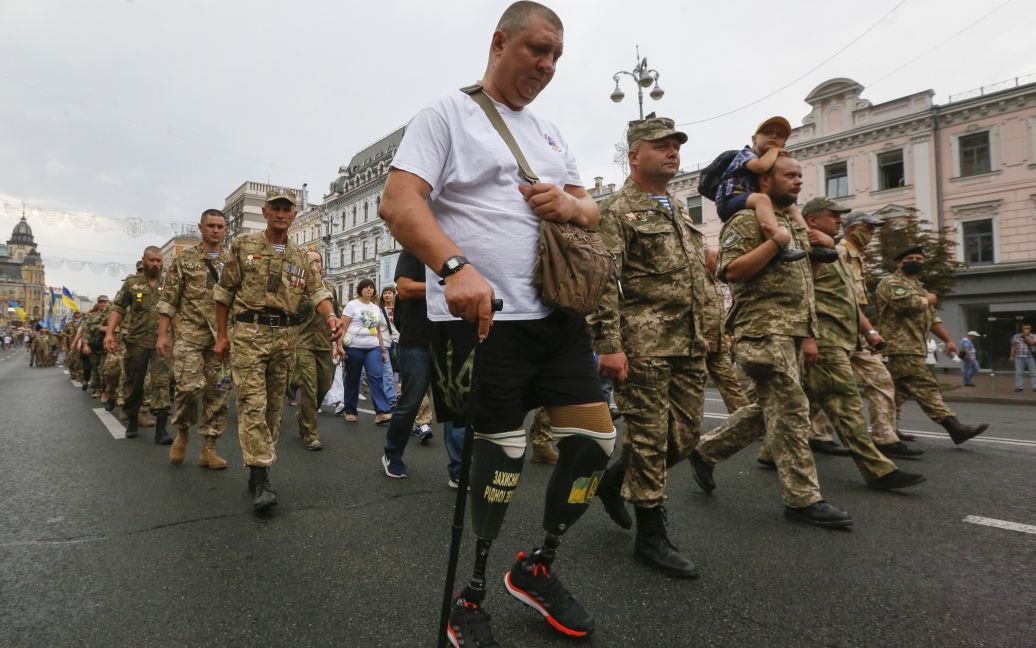
An important part of support is medical and psychological rehabilitation. Veterans are entitled to free participation in rehabilitation programs, prosthetics, and treatment of post-traumatic conditions. For individuals with disabilities, there is provision of technical rehabilitation means.
There are also employment and entrepreneurship support programs for veterans. The state may compensate part of the employer's costs for employing a veteran or provide grants to start a business.
Social compensations may include one-time payments in case of injury, disability, or death of a military personnel. Family members of the deceased also have the right to a separate status and corresponding guarantees of social protection.
Thus, in 2026, the status of a war veteran serves as a comprehensive legal mechanism that combines recognition of merits before the state and a system of social guarantees aimed at supporting individuals who participated in the defense of Ukraine.
Medical Care

In 2026, medical care for war veterans in Ukraine is one of the key areas of state support. Individuals who have confirmed veteran status are entitled to free medical care in state and communal healthcare institutions. This covers both primary medical care and specialized treatment, inpatient stay, diagnostics, and rehabilitation services.
Veterans have the right to priority service in medical institutions. This means that during planned consultations, examinations, or hospitalizations, their requests are addressed out of turn. Special attention is paid to providing medicines – some medications are provided free of charge or with partial compensation of costs through state programs. This particularly applies to drugs for the treatment of chronic diseases, cardiovascular diseases, and the consequences of injuries and trauma.
A significant direction is medical rehabilitation. Veterans who have sustained injuries, concussions, or traumas are entitled to undergo courses of physical rehabilitation, recovery of motor functions, therapeutic physical training, and prosthetics. Individuals with disabilities as a result of the war are provided with technical rehabilitation means – prosthetics, orthopedic products, and special means of mobility. The state covers costs for their production, repair, or replacement in accordance with established norms.
Psychological help occupies a special place. Considering that a significant number of veterans have experienced combat stress and traumatic events, in 2026, programs for psychosocial support are actively functioning. Veterans can receive free consultations with psychologists or psychotherapists, attend group therapy or rehabilitation programs to overcome post-traumatic conditions. Separate support programs are also provided for family members, as adapting to civilian life often requires a comprehensive approach.
Sanatorium-resort treatment is another form of medical care. Veterans are entitled to free or discounted vouchers for sanatoriums and rehabilitation centers. If a voucher is not provided, in certain cases, monetary compensation may be paid. The procedure for obtaining such services involves submitting an application and medical indications confirmed by a doctor.
In case of establishing a disability due to the war, medical care is supplemented by regular medical examinations and re-examinations to confirm the disability group. In this case, the causal link between the disease or injury and participation in hostilities is decisive for maintaining the corresponding guarantees. Thus, the medical care system in 2026 is aimed not only at treatment but also at long-term health support for veterans.
Employment of Veterans of War
Employing war veterans in 2026 is regulated by labor legislation norms with consideration of additional guarantees. The state encourages employers to create jobs for individuals returning from military service and provides support mechanisms during adaptation to civilian work.
When hiring, a veteran has the same rights as other employees, but the law provides several advantages. In particular, they retain a preferential right to remain employed in case of staff reduction, provided they have the proper qualifications and productivity. There is also the possibility of receiving additional leave with retained salary within the established time frame.
An employer cannot refuse to hire based on the presence of veteran status. Any discrimination on this ground is prohibited. If a veteran has become disabled, the enterprise is obliged to consider the recommendations of the medical and social expert commission regarding work conditions. If necessary, a specially equipped workplace is organized or the work schedule is changed depending on the employee's health condition.
In 2026, state and regional programs support employers who employ veterans. This can include compensation for a portion of wages over a certain period or reimbursement of costs for workplace organization. Such mechanisms are aimed at encouraging businesses to more actively engage veterans in economic activities.
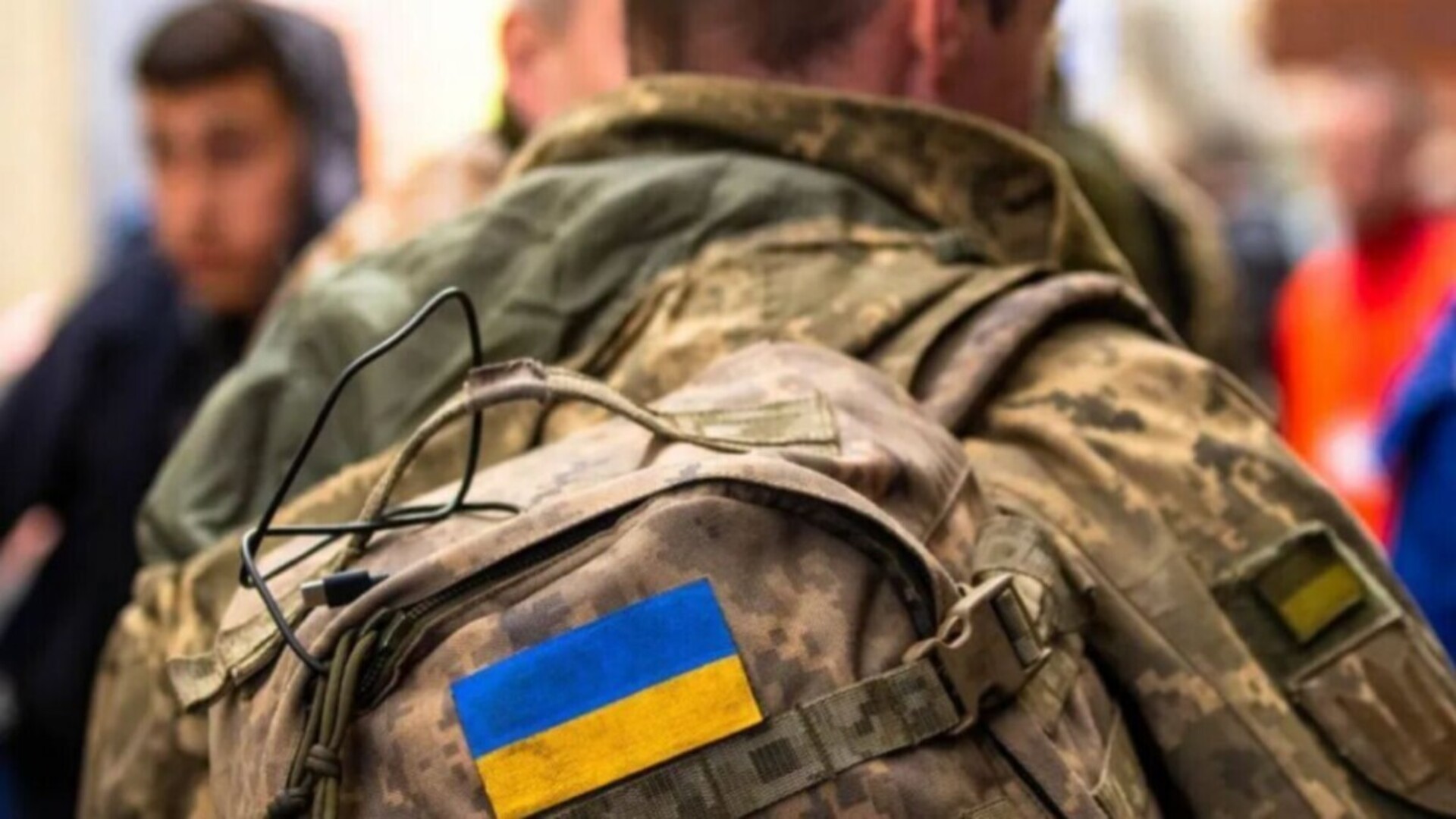
An important aspect is vocational retraining. If a veteran wishes to change their field of activity or obtain a new profession, they can take advantage of educational programs funded by the state or employment services. This is especially relevant for individuals who, due to health conditions, cannot return to their previous work. After completing the training, the employment service assists in finding job vacancies and supports the employment process.
It is also important to consider guarantees for mobilized workers who return to their previous jobs. They retain the right to be reinstated in their position or to a similar post with no less pay level. If the enterprise is liquidated, the veteran has the right to assistance in employment through state employment services.
Thus, the employment of war veterans in 2026 combines general norms of labor legislation and special guarantees of social protection. The purpose of these mechanisms is not only to ensure employment but also to create conditions for full integration of the veteran into civilian life and economic activities.

Read also