Armenia’s Election Turns Into a Referendum on Breaking With Russia


Parliamentary Elections in Armenia
According to Главком: Voting has begun in Armenia’s parliamentary elections, with the opposition framing the contest as a referendum on the country’s future geopolitical direction. Prime Minister Nikol Pashinyan is seeking a mandate to deepen ties with the European Union and the United States amid escalating tensions with Moscow. The election is scheduled for June 7, with polling stations open from 8:00 AM to 8:00 PM. Nearly 2.5 million citizens are eligible to vote, and at least 101 seats in the National Assembly are up for grabs.
Political Forces in the Race
A total of 18 political forces are competing in the election. Individual parties must clear a 4% threshold to enter parliament, while coalition blocs face a barrier ranging from 8% to 10%. Pashinyan’s party, Civil Contract, faces two main challengers:
- The Strong Armenia bloc, led by billionaire Samvel Karapetyan
- The Armenian Alliance, headed by former President Robert Kocharyan
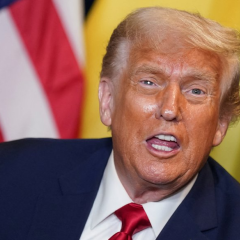
These elections take place against a backdrop of significant regional shifts. In 2023, Azerbaijan regained control over Nagorno-Karabakh. Russia recently blocked imports of Armenian goods, stoking further anxiety among Armenian policymakers. Meanwhile, Brussels has increased financial aid to Armenia and eased trade restrictions, signaling a more active Western role in the region. U.S. President Donald Trump has also voiced support for Pashinyan.
The Kremlin, for its part, has ramped up covert influence operations ahead of the vote. Russian President Vladimir Putin urged Armenian leaders to carefully weigh every step before making decisions and to ensure the discussion process remains open and sincere.
As a result, Armenia’s election carries exceptional weight amid shifting regional geopolitics and the involvement of external powers, which could dramatically shape the country’s future policies. The outcome may mark a turning point for Armenia’s trajectory, determining whether it continues moving toward the West or remains under Russia’s sway. With both sides intensifying their engagement, the results could have far-reaching consequences for regional stability.
As the political landscape in Armenia evolves, the Kremlin is reportedly gearing up for a disinformation campaign aimed at influencing the election outcome. This development underscores the high stakes of the parliamentary vote and highlights the external pressures impacting Armenia's future direction.

Read also