Hungary's Election: EU Funding Blocked and Fears of Electoral Manipulation

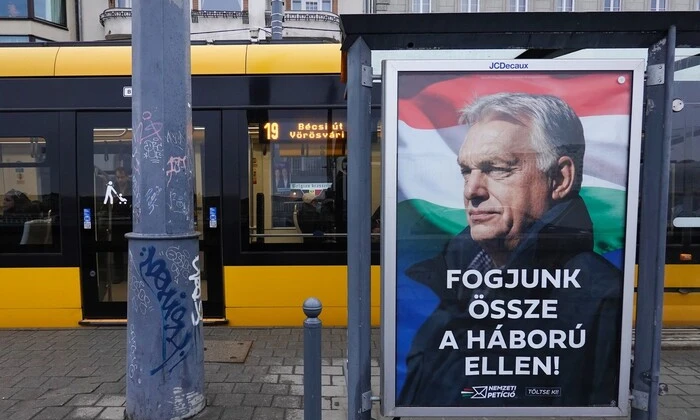
Political Tensions Rise in Hungary
According to Главком: Hungary is in the midst of a tense electoral contest between Prime Minister Viktor Orban and opposition politician Tisza. Amid this conflict, the Hungarian government is blocking a 90-billion-euro European Union loan, a move that threatens the nation's economic stability. This standoff highlights the high stakes of the election, which is being closely watched across Europe.
Orban's campaign is receiving active support from Russian political strategists. These operatives, alongside Russian and Hungarian online bots, are working to suppress voter turnout among Tisza's supporters.
Recent polls show Tisza holding a significant 8-10% lead over Orban, indicating growing support for the opposition candidate. The Hungarian election uses a mixed system, which includes provisions for postal voting by the diaspora. This could substantially impact the final results, especially as political competition intensifies.
Regional Electoral Concerns
This situation echoes broader concerns about electoral integrity in the region. For instance, during the most recent elections in Georgia, opposition parties did not engage in election monitoring, raising serious doubts about the transparency of the process. This has fueled public anxiety that results could be compromised by potential fraud.
At a rally in Georgia, one participant captured the mood of uncertainty, saying: 'Let's disperse and gather again in a couple of days.'
This sentiment underscores the volatility and tension accompanying electoral processes in the region. Hungary, like its neighbors, faces challenges that could significantly reshape its political and economic landscape.
The situation in Hungary points to escalating political strain with potential long-term consequences for national stability. The blocking of the EU loan underscores the financial risks that can emerge from such political conflicts.
While support for Tisza appears to be growing, it is crucial to monitor how this will affect democratic processes and society at large, particularly given the increasing evidence of external influence on the campaign.
The escalating political tensions in Hungary are not isolated; they reflect a wider trend of EU member states facing scrutiny over their governance practices. Recently, the situation has become particularly critical, as highlighted by the EU's warning to Hungary regarding the blocked €90 billion aid for Ukraine. This development raises questions about Hungary's commitment to EU principles and its potential ramifications for the upcoming elections. For more insights into this ongoing issue, see how the EU is responding to Hungary’s actions amid rising political stakes.

Read also