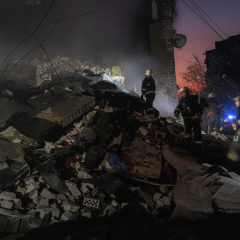
Russian Missile Corvette Mercury Destroyed in Benghazi Port Explosion Likely Carried Out by Ukraine

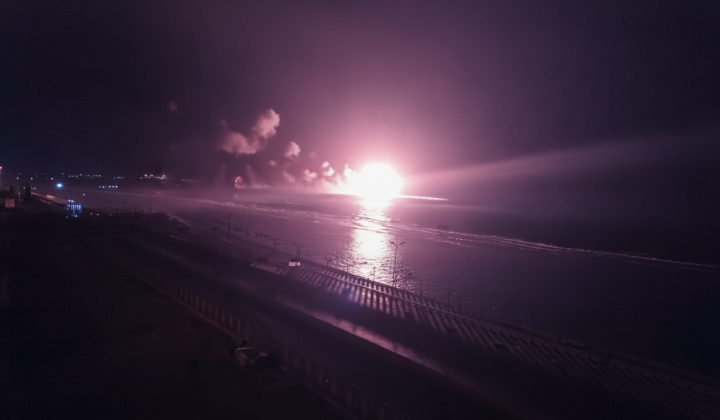
Explosion Rocks Benghazi Port
According to ХВИЛЯ: A recent explosion at the port of Benghazi, Libya, almost certainly obliterated the Russian missile corvette Mercury, which had been docked there for several days. Following the blast, the vessel was engulfed in flames, though its precise condition and the location where it sank remain unclear. Satellite imagery and reports from Naval News have confirmed the incident.
The Mercury, part of Russia's Black Sea Fleet, had been operating from Arctic bases belonging to the Northern Fleet due to ongoing hostilities in the Black Sea region. It was known to be escorting convoys carrying weapons for export. Libyan civil defense reported an explosion at the naval base’s ammunition depot in Benghazi but did not disclose the cause or whether there were any casualties. Firefighters managed to control and extinguish the fire, according to Libya's National Security Directorate for Eastern Libya.
Recent Attacks on Russian Vessels
This event fits into a pattern of assaults on Russian ships in the area. Notable incidents include:
- On November 21, 2026, drones struck the cargo ship Sparta II in the Gulf of Finland, causing it to ignite and forcing the evacuation of its 16 crew members. Finnish military sources attributed the attack most likely to Ukraine.
- Other attacks involved the sinking of the Ursa Major, reportedly by magnetic mines, and the destruction of the gas carrier Arctic Metagaz, likely targeted by unmanned boats.
Additionally, on June 3, 2026, the corvette Boyky-sister ship to the Mercury-was hit by Ukrainian drones while in dry dock at Kronstadt, triggering a severe fire onboard. Russian forces had been using Boyky to escort vessels linked to a shadowy oil fleet.
The explosion in Benghazi appears to be part of a broader campaign targeting Russian naval assets in the region, raising serious concerns about maritime security.
This incident highlights the escalating dangers faced by Russian military vessels in the Mediterranean and adjacent waters, signaling a possible intensification of the Russia-Ukraine conflict. The frequency of these attacks could prompt increased military activity and lead both sides to revise their strategies for safeguarding their maritime interests.

Read also