Recognizing and Preventing Workplace Burnout: A Guide to Symptoms and Solutions

Identifying and Combating Job Burnout
According to Achievers: Job burnout is an increasingly common issue for employees, particularly in today's high-pressure work environments where constant stress and demands for productivity are the norm. The World Health Organization classifies burnout as an occupational phenomenon, not a medical condition, highlighting the need to understand its symptoms, risks, and prevention strategies. A 2025 study found that 66% of American workers experience some form of burnout, underscoring its prevalence.
Symptoms of Burnout
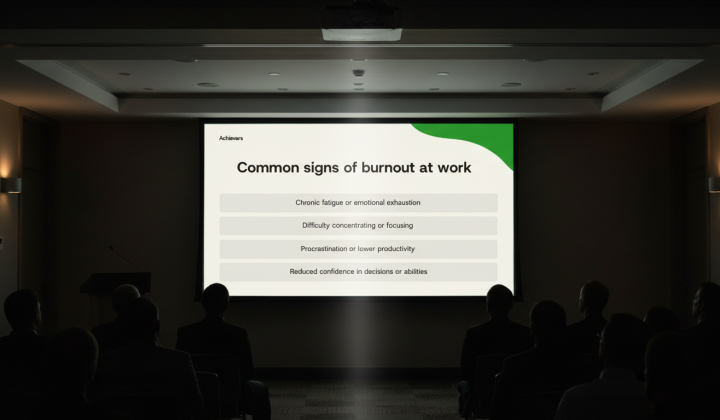
Burnout symptoms manifest across emotional, mental, behavioral, and physical domains. Emotional signs include:
- Chronic fatigue or emotional exhaustion;
- Emotional numbness or detachment;
- Loss of enthusiasm or satisfaction;
- Increased irritability or mood swings;
- Cynicism, negativity, or feelings of hopelessness.
Mental and cognitive indicators often present as:
- Difficulty concentrating;
- Reduced confidence in decisions or abilities;
- Persistent self-doubt;
- Feeling overwhelmed by simple tasks;
- Problems with memory or organization.
Behavioral changes may involve:
- Withdrawal from colleagues;
- Avoidance of tasks;
- Procrastination or decreased productivity;
- Increased absenteeism;
- Irritability.
Physical symptoms of burnout can include:
- Sleep disturbances or insomnia;
- Headaches;
- Muscle tension;
- Persistent tiredness;
- Changes in appetite.
A critical factor is the link between feeling valued at work and the desire to seek new employment. Data from the Engagement and Retention Report reveals a stark contrast: only 28% of employees who feel highly valued are looking for a new job, compared to 71% of those who feel undervalued. This statistic highlights how crucial a supportive work environment is for reducing burnout risk and retaining talent.
Leaders and organizations can take concrete steps to prevent burnout. Effective strategies include:
- Managing sustainable workloads to protect productivity;
- Increasing employee autonomy and fostering trust;
- Providing frequent and visible recognition;
- Strengthening a sense of belonging and psychological safety;
- Actively listening to employees and acting on their feedback.
Addressing these areas can significantly lower burnout risks and promote a healthier workplace for all. Burnout is a serious concern that impacts not only individual well-being but also overall company performance. In a competitive and fast-changing market, organizations must take proactive measures to support their staff. Understanding the signs of burnout and taking active steps to address them are key to maintaining a healthy work environment and improving employee satisfaction.

Read also