China's Debt Hits 600% of GDP as Global Order Reaches Its End, Says Expert


Competition Intensifies for a New World Order
According to ХВИЛЯ: During an interview with political analyst Yuriy Romanenko, public activist and energy expert Viktor Kurtev shared his analysis on the conclusion of the current global system and the contest to shape what comes next. Kurtev argues the world is now grappling with profound contradictions stemming from unsustainable debt levels. He stated that the existing global project has reached its natural end, triggering a struggle to define a new world structure for the next 50 to 70 years.
Kurtev highlighted China's staggering debt, which he says amounts to 600% of its Gross Domestic Product (GDP). He emphasized that over the past 25 years, these funds were primarily channeled into infrastructure investments that will never yield a financial return. This includes, in his assessment:
- roads leading to nowhere;
- empty 'ghost' cities;
- residential real estate built to accommodate 3 billion people;
- high-speed rail lines that cannot recoup their massive investments.
Transnational Elites and Their Competing Agendas
Kurtev further noted that several factions of transnational elites, each with its own blueprint for the future, are now vying for dominance. He identified two primary groups:
- Conventional globalists, representing old money and maintaining ties with institutions like the UN, IMF, World Bank, and the Federal Reserve;
- An aggressive, technological faction he termed 'techno-fascists,' who are fewer in number but more active and willing to fight for control.
Kurtev stressed that all current global tensions, including proxy wars such as the one in Ukraine, are components of this broader clash over the future world order. He believes the decline of the current hegemon stems from economic overextension, internal civil strife, and the inability to service its debts. This perspective suggests the world is entering a new, volatile phase where the competition to establish a new global system is becoming increasingly urgent. Analysts note that such transitions in global power have historically been periods of significant instability.
"Viktor Kurtev's remarks underscore the critical importance of understanding global economic and social trends, as these forces can profoundly impact international relations and political stability."
Yuriy Romanenko
Given the immense debt burdens of major economies like China and the divergent interests of transnational elites, the world risks a prolonged period of instability. This situation will likely demand new mechanisms for global governance and cooperation, potentially acting as a catalyst for further conflicts and a reshaping of the world's geopolitical architecture, requiring close monitoring by analysts and policymakers alike.
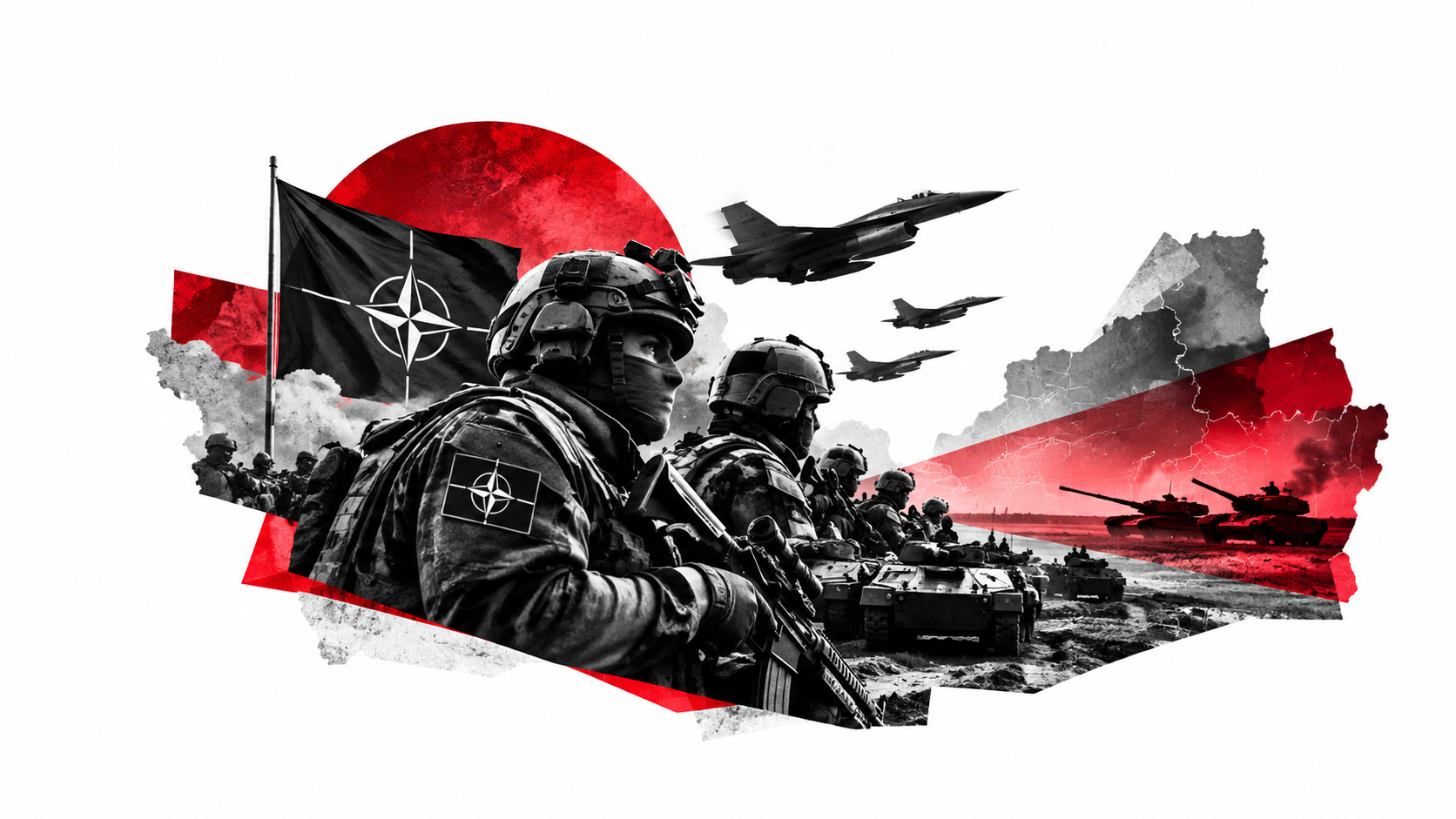
As the global landscape shifts, the potential for escalating conflicts becomes increasingly evident. The ongoing tensions surrounding Taiwan, as well as NATO's strategic responses, underline the urgency of understanding these dynamics. To explore how these geopolitical strifes could intertwine with economic instability, read more about the looming threats in our detailed analysis of the expert warnings on global conflict.

Read also