Tropical Volcano Eruptions Can Cool the Northern Hemisphere for Up to Three Years

Long-lasting Cooling Effects
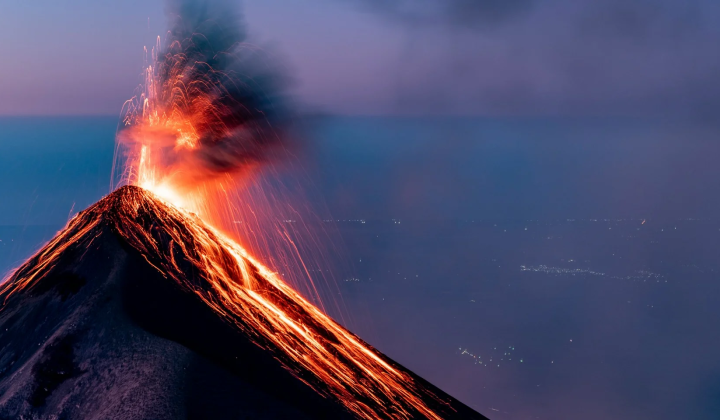
According to НВ — Техно: Eruptions of tropical volcanoes exert a prolonged cooling influence on Earth's climate, particularly across the Northern Hemisphere. A study led by researcher Zachary McGrou at Columbia University revealed that the chilling impact following tropical volcanic activity can persist for as long as three years-significantly longer than eruptions occurring at mid-latitudes. One of the most notable examples is the 1815 eruption of Indonesia’s Tambora volcano, which triggered the so-called "Year Without a Summer" in 1816 due to its severe climatic consequences.
How Volcanic Eruptions Affect Climate
Published in Geophysical Research Letters, the research found that tropical volcanic eruptions inject sulfur dioxide into the stratosphere, forming sulfuric acid aerosols that linger longer in the atmosphere. These aerosols scatter and reflect sunlight, reducing the amount of solar energy reaching Earth's surface and causing a cooling effect, especially in the Northern Hemisphere.
This study challenges earlier assumptions that mid-latitude eruptions have a stronger cooling effect. It was previously thought that cooling from mid-latitude eruptions could be up to 7.5 times greater, but the new findings show it is only about twice as strong. Moreover, aerosols from mid-latitude eruptions typically remain in the Northern Hemisphere atmosphere for up to nine months, while those from tropical eruptions can persist for up to three years. Because tropical aerosols spread across both hemispheres, their cooling influence is distributed more evenly worldwide.
Historical climate records, including tree ring data and volcanic events such as Iceland's 1783 eruption, the approximately 536 AD eruption, and an eruption in Alaska around 43 BCE, helped researchers simulate 100,000 hypothetical extratropical eruptions. These were then compared with tropical eruption data post-750 AD. The results clearly linked Northern Hemisphere cooling episodes predominantly with tropical volcanic events.
Sulfur gas emissions from mid-latitude eruptions rise to lower altitudes and their aerosols are more quickly washed out by precipitation like rain and snow. Understanding these differences is crucial for improving climate models, distinguishing natural volcanic cooling from human-induced climate change, and predicting potential impacts. Sudden temperature drops caused by such eruptions can lead to crop failures, food shortages, and intensified competition for resources.
These findings highlight the critical need to monitor volcanic activity closely due to its far-reaching effects on global climate, agriculture, and food security. As global climate change accelerates, grasping how volcanic eruptions contribute to temporary cooling becomes increasingly important for forecasting future climate patterns and developing strategies for adaptation. This knowledge supports better resource management and helps mitigate risks associated with abrupt climate disruptions.
As the planet grapples with the long-term cooling impacts of tropical volcanic eruptions, it is essential to consider the broader context of climate change. Recent reports indicate that despite significant contributions from low-carbon energy sources, global warming continues to escalate alongside record CO2 levels. Understanding these interconnected phenomena can provide valuable insights into our climate's future.

Read also