U.S. Secretary of State Rubio to Visit Israel in March for Talks on Iran, Lebanon, and Gaza

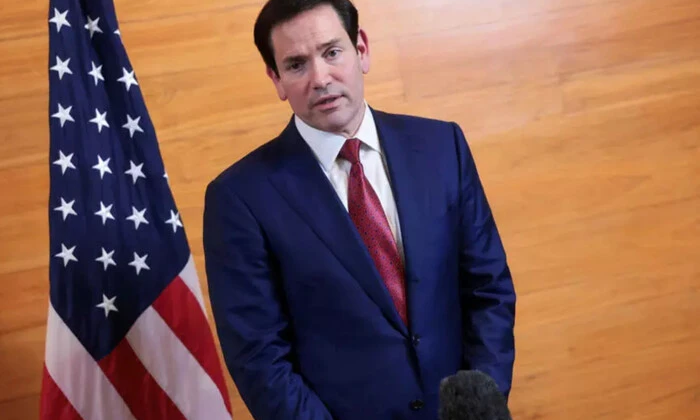
U.S. Secretary of State's Trip to Israel
According to Главком: U.S. Secretary of State Marco Rubio will travel to Israel on March 2-3, 2026, for meetings with senior Israeli officials. According to the U.S. State Department, the visit aims to discuss a range of regional priorities, including the situation concerning Iran, Lebanon, and the implementation of President Donald Trump's plan for the Gaza Strip. This visit underscores the continued high-level diplomatic engagement between the two allies on complex Middle Eastern security issues.
Key Negotiation Topics
During the meetings, Rubio intends to focus on critical issues affecting regional security and stability. Among the topics to be addressed are efforts to constrain Iran's nuclear program. Specifically, the United States has prepared a list of demands for Tehran, which includes:
- The dismantling of nuclear facilities at Fordow, Natanz, and Isfahan;
- The transfer of all enriched uranium to Washington's control;
- The restart of the Tehran reactor solely for processing low-enriched uranium for medical purposes.
Concurrently, U.S. Central Command chief Brad Cooper has briefed President Trump on military options against Iran. Recent U.S.-Iran talks in Geneva, mediated by Oman, concluded without an agreement. The parties agreed to continue negotiations after internal consultations, highlighting the complexity of the situation and the need for further dialogue. The ongoing diplomatic efforts with Iran represent one of the most challenging foreign policy issues for the current U.S. administration.
Secretary Rubio's trip to Israel emphasizes the significance of American policy in the Middle East, particularly regarding Iran's nuclear ambitions. This engagement could significantly influence future U.S.-Israel relations and regional security. The continuing negotiations with Iran reflect the intricate nature of diplomatic efforts to achieve stability in a region where geopolitical interests frequently intersect.

Read also