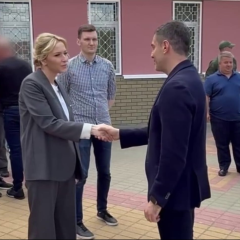
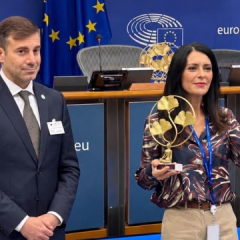
Amidst Internal Turmoil in Hungary, U.S. Vice President Vance's Visit Highlights a Government in Crisis

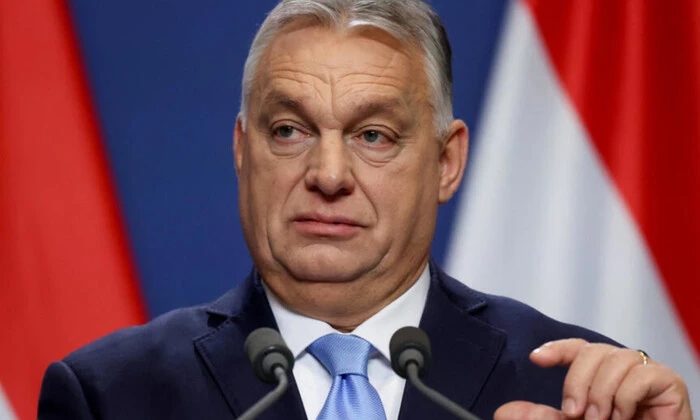
U.S. Vice President J.D. Vance's Trip to Hungary
According to Главком: U.S. Vice President J.D. Vance recently traveled to Hungary, where he met with representatives of the Mathias Corvinus Collegium. This visit occurred against a backdrop of severe internal strife within Hungarian state institutions linked to the 16-year rule of Prime Minister Viktor Orbán. A significant schism has emerged, with public servants accusing the government of censorship and Russian interference, triggering a wave of resignations from state bodies.
Political Climate and Opposition
The opposition Tisza party, led by Péter Magyar, has pledged to reform funding policies, while those who oppose Orbán face government reprisals. As noted by Zalan Alconjy, scholars at the MCC are 'under constant pressure: they are forced to publish only what aligns with the Fidesz government line.'
Viktor Norman Virág, a former high-ranking official at the National Bureau of Investigation, underscored the political nature of his work, stating:
“80% of my activity involved carrying out political orders, including closing cases against Russian cybercriminals.” - Viktor Norman Virág
Hungary's parliamentary elections are scheduled for April 12, with the next elections to follow in 2026. In light of these developments, J.D. Vance stated that 'the United States will cooperate with any new Hungarian prime minister.' The situation in the country is a source of concern both domestically and internationally, particularly given Russia's influence on Hungarian political processes. This internal crisis presents a challenge for Western allies who view Hungary as a key NATO and EU member.
Other notable figures who have spoken out on the situation include:
- Zombor Berezvay, the former chief economist of the Competition Authority;
- Szilveszter Palinkás, an army captain who was formerly the face of government recruitment campaigns.
These events highlight Hungary's complex political landscape and the challenges its society faces under increasingly authoritarian governance.
Vance's visit underscores the international community's growing alarm over Hungary's democratic backsliding and the Kremlin's sway in Central Europe. With parliamentary elections approaching, political tensions are likely to intensify as opposition forces seek a path to challenge Orbán's long-held power. U.S. cooperation with a potential new government could signal a shift in Washington's foreign policy approach toward Hungary and the broader European region.
As Hungary approaches its parliamentary elections, the political landscape remains fraught with uncertainty. Vice President Vance's remarks about collaborating with any future Hungarian prime minister reflect a significant shift in U.S. diplomatic strategy amid ongoing turmoil. For a deeper understanding of the implications of these upcoming elections and how they might affect U.S.-Hungary relations, read more about the potential leadership changes in Hungary.

Read also