Two Iranian Oil Tankers Disabled by U.S. Navy in the Gulf of Oman

U.S. Forces Take Out Iranian Oil Tankers
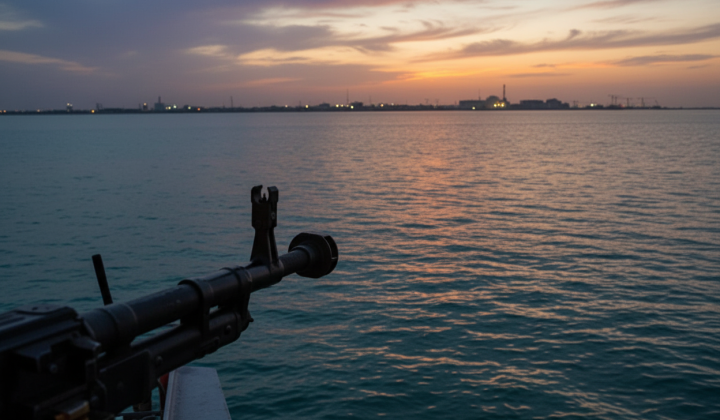
According to Главком: As part of its ongoing blockade against Iran, the U.S. Navy has disabled two Iranian oil tankers in the Gulf of Oman. On May 8, 2024, American forces immobilized the vessels M/T Sea Star III and M/T Sevda, both operating under the Iranian flag. An F/A-18 Super Hornet fighter jet launched from the USS George H.W. Bush aircraft carrier was deployed to halt the tankers. The pilot struck the smokestacks of both ships, which were empty of cargo at the time of the attack.
Earlier, on May 6, 2024, another tanker-the M/T Hasna-was also taken out of operation. In that incident, a fighter jet damaged the vessel’s rudder using a 20-mm cannon. Since the start of the operation, U.S. Central Command forces have redirected over 50 commercial ships, highlighting the military's heightened activity in the region.
Admiral Brad Cooper stated: 'U.S. armed forces in the Middle East remain fully committed to enforcing the blockade on all vessels entering or leaving Iran.'
This statement underscores Washington’s determination to maintain control over maritime routes in this strategically vital area. The ongoing blockade is part of a broader strategy to curb Tehran’s oil export capabilities, which could significantly impact global energy markets. At the same time, such military actions risk escalating tensions in the Persian Gulf and increasing hazards for shipping in this critical zone.
List of Disabled Tankers
- M/T Sea Star III
- M/T Sevda
- M/T Hasna
Incident dates: May 8 and May 6.
These U.S. actions reflect a continued policy of pressuring Iran amid rising geopolitical tensions in the region. By disabling Iranian oil tankers, the U.S. aims to limit Tehran’s ability to export oil, a move that could have far-reaching consequences for global energy supplies. However, this aggressive stance also raises the prospect of further conflict in the Persian Gulf and greater risks for commercial shipping in these strategic waters.
The recent actions of the U.S. Navy in the Gulf of Oman are part of a broader strategy to exert pressure on Iran's oil export capabilities. In a related incident, U.S. forces have also seized another Iranian oil tanker in the Indian Ocean, further illustrating the escalating tensions in the region and the military's commitment to controlling maritime routes critical for global energy supplies.

Read also