Ukrainian Drone Assault at Night Sets Afipsky Oil Refinery Ablaze


Attack on the Afipsky Refinery
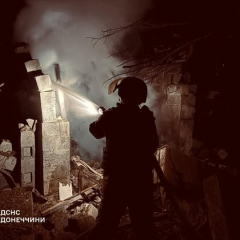
According to ХВИЛЯ: In the night of August 24–25, Ukrainian drones struck the Afipsky oil refinery in Russia's Krasnodar region, triggering a fire inside the plant. Local residents heard explosions and reported the attack after 3 a.m. Footage of the blaze was posted by the monitoring outlet Exilenova+. Governor Veniamin Kondratyev confirmed the strike and said at least 10 private homes in the Afipsky settlement had been damaged.
"There was a fire on the territory of an oil processing enterprise in the settlement of Afipsky"
Veniamin Kondratyev
In a Telegram post, Kondratyev added that drone fragments fell on the Afipskaya station of the North Caucasus Railway, forcing it to halt operations. The target was about 380 km from the front line.
Why the Afipsky Refinery Matters
The Afipsky plant is one of the largest oil refineries in southern Russia, with an annual capacity of 6.25 million metric tons of crude, or more than 2% of the country's total refining throughput. The facility produces:
- gasoline
- diesel fuel
- gasoil
- vacuum gasoil
- fuel oil
- sulfur
- gas condensate distillates
Diesel from this refinery has reportedly been used by the Russian armed forces.
The plant has been a repeated target since the start of the full-scale invasion. It was attacked, for instance, on the night before July 14. Then, on August 24, Ukraine's defense forces struck the Astrakhan gas processing plant owned by Gazprom Pererabotka. That facility makes marketable gas, technical sulfur, stable gas condensate, gasoline, diesel, fuel oil, and liquefied hydrocarbon gases.
The Syzran and Ilsky refineries also came under earlier attacks. The latest incidents underscore the continuing pressure on Russian infrastructure.
Targeting Russian fuel facilities such as the Afipsky refinery is part of a broader strategic effort by Ukraine to weaken Moscow's military logistics. Because these plants supply fuel crucial to the war effort, Ukrainian forces aim to inflict lasting damage on those supply chains. The possibility of Russian retaliation means the situation could escalate, and tracking these strikes offers a window into the conflict's next moves.
The recent strikes on Russian oil infrastructure highlight a broader strategy by Ukrainian forces targeting critical energy facilities. For instance, just hours before the attack on the Afipsky refinery, two other oil refineries and a drilling platform were hit, further demonstrating the ongoing efforts to disrupt Russia's energy capabilities. To understand the implications of these coordinated assaults, read more about the attacks on multiple facilities here.

Read also