Finland Lifts Wolf Hunting Ban as Cross-Border Predator Attacks on Reindeer Surge

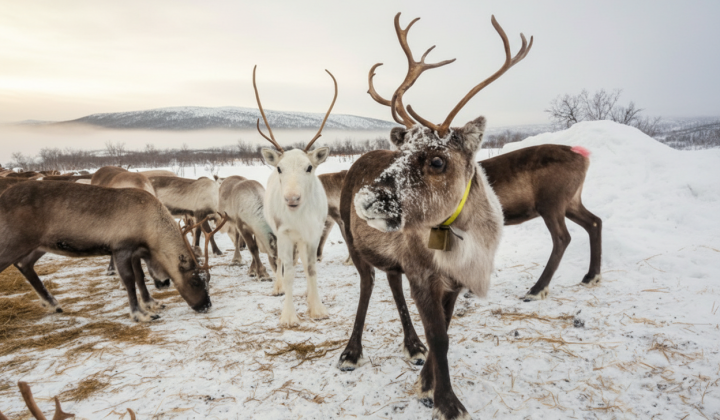
Reindeer Herders Face Mounting Losses from Wolf Predation
According to Главком: Finnish reindeer herders are reporting a sharp increase in livestock losses due to wolf attacks, with predators crossing the border from Russia. This surge began following the start of the war in Ukraine in early 2022. According to the Finnish Reindeer Herders' Association, wolves killed at least 2,124 reindeer in 2025. Herders who release their animals for spring grazing have begun finding the skeletal remains of reindeer hunted by predators in the forests.
War's Impact on Cross-Border Wolf Populations
Wolves and bears move freely across the extensive, hundreds-of-kilometers-long border between Finland and Russia. Last spring, the wolf population in Finland was estimated at around 430 individuals, while Russia is home to approximately 60,000 wolves of the same subspecies. European wolf numbers have grown significantly, rising from 11,193 to 20,300 between 2012 and 2023. Across the continent, predators kill roughly 65,500 head of livestock annually, a trend causing deep concern among farmers.
Until June of last year, the wolf was a strictly protected species within the EU. However, Finland lifted its ban on wolf hunting in early 2026, implementing a quota system in response. Ilpo Kojola, an expert in the field, noted that wolf populations can increase rapidly and suggested the war in Ukraine may have influenced these dynamics. He also pointed to a potential link between the deployment of soldiers to the border region and the rise in wolf attacks, which began almost concurrently with the war. The situation highlights how human conflict can have unintended consequences for wildlife and rural livelihoods.
The growing wolf numbers and their attacks on reindeer in regions like Ukraine and Finland underscore the need to monitor ecosystems and the impact of human activity on wildlife. Finland's decision to resume wolf hunting is a direct response to the challenges faced by herders, though it has sparked debate over species conservation. Investigating the reasons behind the increase in predatory activity is crucial for finding a balance between protecting animals and safeguarding the interests of farmers.

Read also