Ukrainian Parliament Backs Skeleton Athlete in Olympic Helmet Dispute

Ukrainian Parliament's Official Support
According to Главком: The Ukrainian parliament has formally backed skeleton athlete Vladyslav Heraskevych following a ban by the International Olympic Committee (IOC) on his use of a special commemorative helmet. In a direct response, the parliament passed an official appeal to the IOC, urging it to reconsider its decision. The motion received the support of 268 members of parliament, demonstrating broad political backing for the athlete's cause.
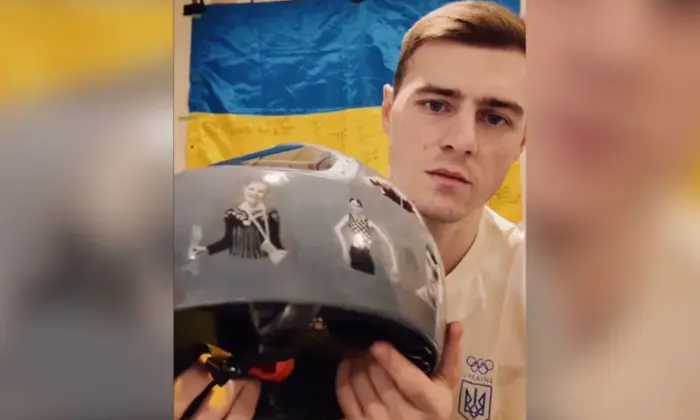
The helmet, designed for the 2026 Winter Olympics, features images of Ukrainian athletes who have died as a result of the war. The IOC has offered a compromise, suggesting the use of a plain black armband or ribbon without personalization. However, the National Olympic Committee of Ukraine has formally petitioned the IOC to permit the helmet's use. This dispute highlights the ongoing tension between the IOC's strict neutrality rules and athletes' desire to acknowledge global conflicts.
Vladyslav Heraskevich's Stance
'I believe that black ribbons alone are insufficient to honor all the Ukrainian athletes killed by Russia. The memorial helmet does not violate any rules and, in my opinion, does not contradict the provisions of the Olympic Charter. This is not a political act-it is a tribute to fallen athletes, and we have the right to speak about it. I wore this helmet the day before yesterday, yesterday, today, and I will continue to wear it-in training and at future competitions.' Vladyslav Heraskevych
The XXV Winter Olympic Games in 2026 will be held in Milan-Cortina, and the issue of the memorial helmet's use remains a key point in ongoing discussions between the athlete and the IOC.
This situation underscores the broader challenge of honoring victims of war within the framework of international sporting events. The Ukrainian parliament's appeal signals a national commitment to defending its values on the global stage, particularly under the conditions of ongoing conflict. The IOC's eventual response will be closely watched, as it could set a significant precedent for how similar commemorative initiatives are handled in the future.

Read also