March 6th Update: The Death of Khamenei and the Escalating Iran Conflict

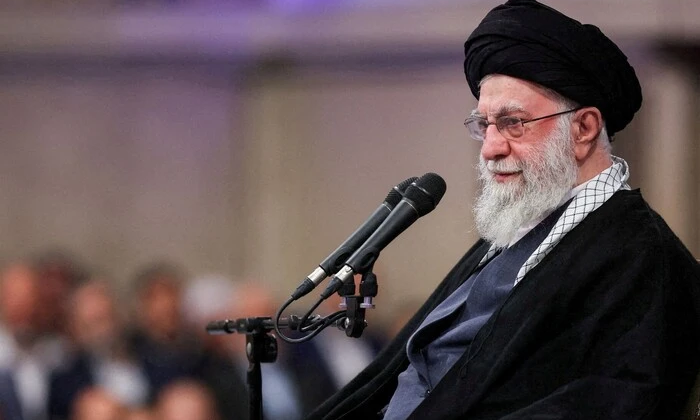
The Assassination of Ali Khamenei: Events and Immediate Fallout
According to Главком: In a closed-door meeting with Prime Minister Benjamin Netanyahu in November 2025, Israel resolved to eliminate Iran's Supreme Leader, Ali Khamenei. The operation was scheduled for roughly six months later, around mid-2026. After presenting the plan to the United States in January, Israel declared a state of emergency and launched a military campaign against Iran on February 28th. This conflict stems from a long-standing and profound geopolitical rivalry between the two nations.
On that same day, U.S. President Donald Trump confirmed American involvement in the large-scale military operation in Iran. Following strikes on Tehran, Iran retaliated by launching a massive assault on American bases in Persian Gulf countries. News of Ali Khamenei's death emerged on March 1st, prompting Iran to declare a 40-day period of mourning for its leader.
Conflict Escalation and Global Repercussions
By March 2nd, Iran announced it was entering a state of military confrontation with the American-Israeli alliance, triggering a sharp spike in global oil prices. As of March 6th, combat operations between the sides are ongoing. U.S. military leadership estimates these hostilities could last for several months, potentially until September.
'We will destroy the threat from the brutal Iranian regime' - Donald Trump
It is notable that a phone call between Donald Trump and Benjamin Netanyahu on February 23rd preceded the final decision to initiate the operation against Iran. Israeli Minister Israel Katz also commented on the situation, stating: 'We were already convened by the Prime Minister for a very confidential meeting in November, and the Prime Minister set for himself the goal of removing Khamenei.' The direct involvement of the U.S. marks a significant and dangerous expansion of the regional conflict.
These events underscore the escalation of long-simmering regional tensions. The military actions and sharpening conflict are likely to have serious consequences not only for the nations directly involved but also for global stability, particularly in energy markets. The international community is expected to monitor developments closely, as the outcome could reshape political and economic relationships worldwide.

Read also