Israel Plans Strikes on Iran's Energy Infrastructure Following Death of IRGC Intelligence Chief

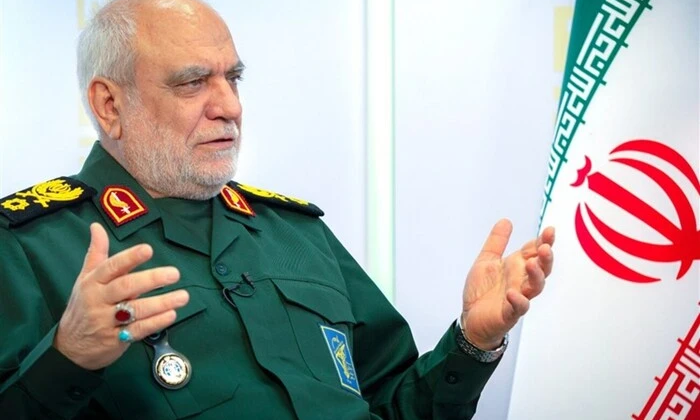
General Majid Hademi Killed in Attack
According to Главком: General Majid Hademi, the head of intelligence for Iran's Islamic Revolutionary Guard Corps (IRGC), was killed in what has been described as a terrorist attack by American and Zionist forces at dawn on April 6. Hademi, who served for nearly 50 years in the IRGC's intelligence and counter-intelligence structures, had been appointed to lead the IRGC's intelligence unit on June 20, 2025. He succeeded Mohammad Kazemi, who was killed in an Israeli strike.
Regional Tensions Escalate
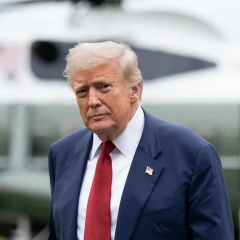
Mediation efforts by Turkey, Egypt, and Pakistan to establish direct contacts between the US and Iran have so far yielded no results. Concurrently, US President Donald Trump has issued a statement giving Iran 48 hours to either reach a deal or open the Strait of Hormuz.
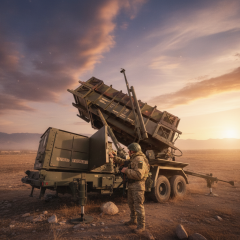
Israel is now preparing for potential strikes on Iran's energy facilities. A senior official from the Israeli Ministry of Defense indicated that such an operation could occur as early as this week. The situation remains highly volatile, and its trajectory could significantly impact regional stability. This latest development underscores the persistent and dangerous standoff between Iran and its adversaries.
The killing of General Hademi highlights the escalating conflict between Iran and its opponents, particularly the United States and Israel.
Given Hademi's key role within IRGC intelligence, his death could prompt retaliatory actions from Iran, further intensifying military tensions in the region. Meanwhile, the mediation attempts by Turkey, Egypt, and Pakistan point to the urgent need for international diplomacy to prevent a broader escalation of the conflict.
The recent assassination of General Hademi has not only heightened tensions but also drawn parallels to previous incidents. For instance, Israel's targeted airstrike against Iran's top security official underscores the ongoing threat that such high-profile eliminations pose to regional stability. As the situation develops, understanding these dynamics becomes crucial for comprehending the broader implications of the conflict.

Read also