Russia’s S-300 Interceptor Missile Stockpiles Are Dwindling Fast

Russia’s Shrinking Supply of Interceptor Missiles
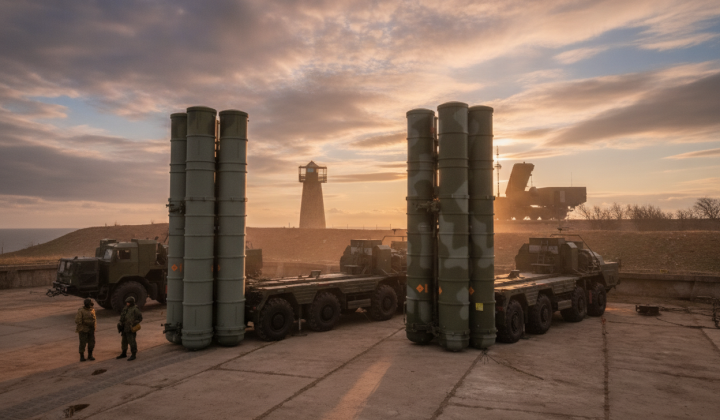
According to Главком: Russia is running low on interceptor missiles for its S-300 air defense systems, and this depletion is accelerating in 2026. According to Glavcom, citing CBS News, Moscow had over 400 48N6P (RM-48U) missiles for its S-300PM and S-400 systems in 2025. However, given current trends, Russia is burning through these missiles far quicker than it can manufacture them.
Under mounting pressure from Ukraine, Moscow is being forced to expend interceptors against new generations of drones. Ukrainian forces are actively destroying air defense systems in occupied territories, including Crimea, Luhansk, and Transnistria. As Rob Lee explains, many Russian air defense missiles are being consumed at an alarming rate:
“Ukraine can produce more strike drones for deep attacks than Russia can, in some cases, produce interceptor missiles.” – Rob Lee
As a result, Russia must prioritize which strategic assets to protect.
Sanctions are compounding the problem, as Russia lacks key components for interceptor production, particularly seeker heads and guidance modules. Moscow is trying to source parts from Chinese and Western manufacturers, but sanctions are limiting replenishment. Oleh Chornyi notes that Russia’s production focus is 'specifically on the latest systems to counter Ukrainian drones.'
Missile Expenditure and Its Impact on Defense Capabilities
Furthermore, in March 2026, Glavcom reported that Russia is using up air defense missiles faster than it can produce them. With the growing threat from Ukrainian drones, Moscow faces difficulties in sustaining its air defense systems, which could undermine its future defensive capacity. Ukraine also has its own challenges: Kyiv has warned of a shortage of PAC-3 missiles for the Patriot system, the only reliable means of countering Russian ballistic missiles.
The decline in Russia’s interceptor missile stockpiles highlights serious battlefield pressures, especially from Ukrainian drones. If the conflict escalates further, resource shortages could significantly impair Russia’s ability to maintain air defense. At the same time, this situation underscores the importance of supporting Ukraine with modern air defense systems to counter threats from Russia, particularly ballistic missiles.
As Russia grapples with a dwindling stockpile of interceptor missiles, it is simultaneously ramping up its offensive capabilities. Reports indicate that Moscow is accumulating over 100 missiles each month for strikes on Ukraine, highlighting a stark contrast in its military strategy. This shift raises questions about the sustainability of Russia's defense systems amid increasing pressure from Ukrainian forces. To understand the implications of this arms buildup, see more about Russia's missile stockpiling here.

Read also