Search and Rescue Mission Concludes in Komyshuvakha After November 2 Attack Leaving 72 Dead and Four Missing

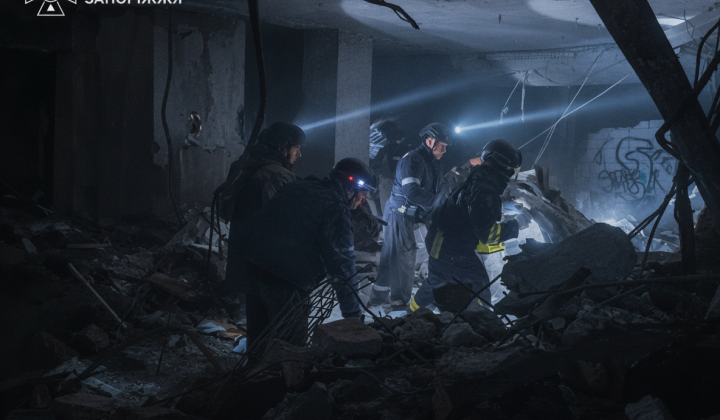
The Devastating Aftermath of the Komyshuvakha Bombardment
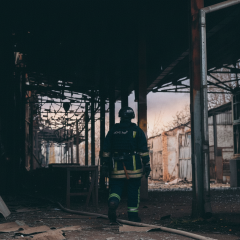
According to Рубрика — Суспільство: Following the Russian strike on November 2, 2026, search and rescue efforts in the settlement of Komyshuvakha, located in the Zaporizhzhia region, have officially ended. The attack claimed the lives of 72 individuals, including rescuers, police officers, staff from the local gymnasium and administrative service center, utility workers, and medical personnel. Four people remain unaccounted for. Over the course of two weeks, teams comprising rescuers, law enforcement, canine units, and forensic experts conducted operations amid ongoing threats of further attacks.
Repeated Shelling Amid Rescue Operations
During the fortnight of recovery efforts, Russian forces launched 11 assaults on Komyshuvakha, with nine strikes targeting the areas where rescue teams were operating. These attacks resulted in injuries to three police officers and four rescuers, and caused damage to specialized equipment used for debris removal and victim recovery. Dozens of DNA analyses were performed to identify those who perished.
The November 2 attack stands out as one of the deadliest since the full-scale war began. Russian forces executed a concentrated aerial bombardment on an underground school in Komyshuvakha, which served as a resilience hub and a distribution point for humanitarian aid. The assault involved at least nine FAB-3000 guided bombs. Ukraine’s Main Intelligence Directorate (GUR) has identified the Russian military personnel responsible, led by Colonel Fedor Volodymyrovych Zubakov, head of the fire strike group within the 'Dnipro' forces command. Four Su-34 fighter-bombers participated in the operation, conducted by Tactical Aviation Group No. 5 of the Russian General Staff.
'Among the victims was a teacher who came daily to the shelter to conduct online lessons for children who had evacuated the community. Four others, rescued in the initial hours after the strike, remain hospitalized under medical care.' Ivan Vyhivskyi
This tragedy highlights the severe humanitarian crisis unfolding in the region amid ongoing hostilities. The attack illustrates the devastating impact of war on civilians and underscores the vulnerability of populations caught in conflict zones. It also calls attention to the crucial role of the international community in responding to such acts of aggression through appropriate measures aimed at protecting civilians and facilitating humanitarian aid. Moreover, the incident emphasizes the risks faced by rescue teams operating in war zones, where the threat to both rescuers and non-combatants remains alarmingly high.
For international audiences, this event serves as a stark reminder of the human toll inflicted by the conflict in eastern Ukraine and the ongoing challenges faced by those striving to save lives amid active combat.
The tragic events in Komyshuvakha are not isolated; just prior to the November 2 attack, a Russian airstrike claimed 43 lives as rescue operations were already underway. This escalation highlights the ongoing threats faced by both civilians and rescue teams in the region, emphasizing the urgent need for international attention and support.

Read also