WSJ Report on Ukrainian Three-Year War Plan Denied by President's Office

Alleged Three-Year War Strategy
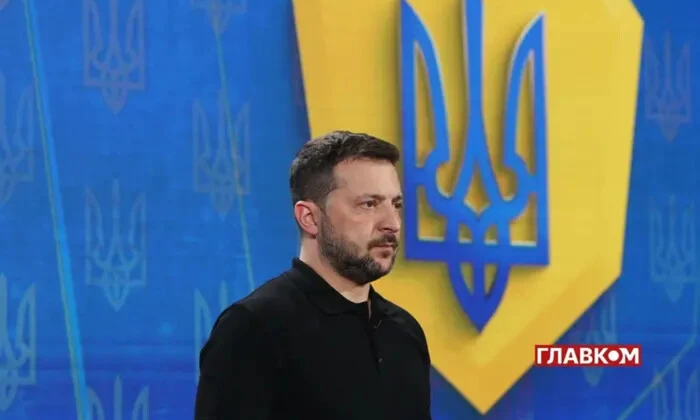
According to Главком: A report by The Wall Street Journal correspondent Bojan Pancevski claims Ukrainian President Volodymyr Zelenskyy has ordered the development of a three-year war plan. This story has been firmly rejected by the President's Office, which labeled it a 'fake.' Presidential communications advisor Dmytro Lytvyn specifically denied any such conversation took place and stated there have been no directives issued regarding the war's duration.
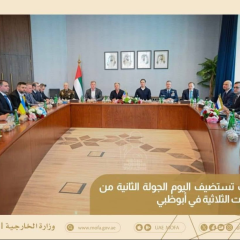
Pancevski further reported that during a private meeting, Zelenskyy spoke of the failure of negotiations held in Geneva involving Ukraine, the United States, and Russia. The journalist suggested this failure necessitates Ukraine formulating a three-year military strategy. Lytvyn dismissed this entire account as a 'stupid fake.'
Negotiations and Their Aftermath
Andriy Kovalenko, head of the Center for Countering Disinformation, weighed in, noting the adage 'if you want peace, prepare for war' remains relevant. He confirmed that information about a fixed war timeline is untrue. Head of the President's Office, Kyrylo Budanov, characterized the Geneva talks as a 'difficult but important' conversation.
Adding another perspective, White House spokeswoman Caroline Livitt stated that the trilateral talks in Geneva yielded significant progress. A follow-up meeting aimed at ending the war is scheduled to take place in Switzerland. These conflicting narratives between Western media reports and official Ukrainian statements continue to fuel public debate.
This episode highlights the complex and tense nature of Ukraine's international relations amid the ongoing conflict with Russia. The war in Ukraine has entered a critical phase where strategic planning is constant, but public disclosures are highly sensitive. Misinformation or oversimplification can significantly sway public opinion and policy decisions. As diplomatic efforts continue, scrutinizing multiple information sources is crucial for understanding the full picture.

Read also