Discovery of 20 Anglo-Saxon Coins Near the Vatican Confirms Medieval Schola Saxonum Community in Rome

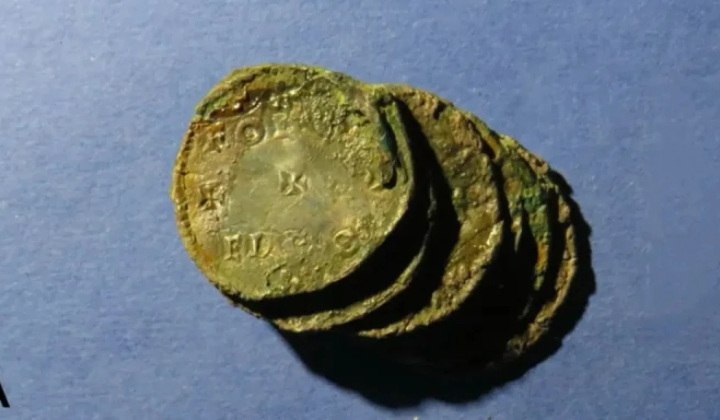
Anglo-Saxon Coin Hoard Unearthed in Rome
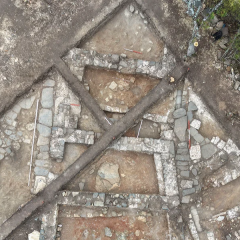
According to НВ — Техно: Archaeologists recently uncovered twenty Anglo-Saxon coins close to the Vatican, providing tangible proof of the medieval English enclave known as the Schola Saxonum in Rome. These artifacts emerged from ongoing excavations conducted between 2020 and 2023 beneath the gardens of Palazzo della Rovere. The coins, linked to the Schola Saxonum district, indicate a permanent Anglo-Saxon presence, with English currency circulating alongside papal money.
The Historical Role of Schola Saxonum
Dating back to at least the latter half of the 8th century, the Schola Saxonum occupied land between the Vatican and the Tiber River, near St. Peter's Basilica. Contrary to modern assumptions, the term "schola" referred not to a school but to a foreign community that provided housing, religious services, and support for pilgrims. This area was also home to Frankish, Lombard, and Frisian groups. Archaeological evidence connects the Lungotevere in Sassia and the Santo Spirito in Sassia hospital with the Anglo-Saxon settlement.
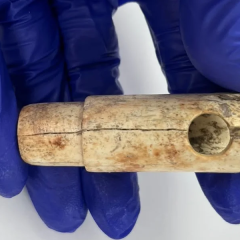
The coin collection consists of 19 silver pennies and one halfpenny minted during the reigns of Edward the Elder, Æthelstan, and Eadred. Their origins trace back to East Anglia, Kent, London, and the West Midlands. Fourteen of these coins were discovered in refuse pits, grouped in clusters of six to eight. Excavations also revealed signs of local craftsmanship, including leatherworking, bone processing, and metalwork, highlighting the community’s active trade and production.
The coexistence of English coins alongside 10th-century Italian (papal) currency suggests a multi-currency economy in the neighborhood. Medieval English pilgrims traveled to Rome for religious reasons, underscoring the Schola Saxonum’s role as a key pilgrimage hub. The excavation spans an area of at least 3,000 square meters, reflecting the extensive scope of the archaeological investigation.
Additionally, in 2021, newly identified burials of servants and slaves from the Julio-Claudian dynasty were found in the Santa Rosa necropolis in Rome. Within the Vatican walls, archaeologists documented 250 graves belonging to Roman elites, servants, and freed slaves, covering a timeframe from the Julio-Claudian era through to Emperor Constantine’s rule.
"More Anglo-Saxon coins from this period have now been found in Rome than papal coins," remarked Rory Naismith, highlighting the significance of the discovery.
These findings open fresh avenues for exploring the Anglo-Saxon community’s presence in Rome and their cultural influence on the city. The discovery of English currency alongside papal coins illustrates the economic and cultural connections between medieval England and Italy. This evidence not only emphasizes the importance of Schola Saxonum as a pilgrimage center but also enhances our understanding of the social dynamics and interactions among diverse communities in medieval Rome. Such insights contribute to a broader comprehension of Anglo-Saxon impact on the development of medieval Europe.
The discovery of these Anglo-Saxon coins adds to the growing body of archaeological evidence revealing the rich tapestry of cultural interactions in medieval Europe. For instance, a recent excavation in Germany unearthed a lost Roman temple from the 3rd century, highlighting the significance of such findings in understanding the historical connections between different regions during that era.

Read also