What Social Media Photos Reveal: Humpback Whales Don't Starve on Their Long Antarctic Journey

Old Assumption Called Into Question: Humpback Whales Feed During Migration, Social Media Evidence Shows
According to НВ — Техно: Published: August 29, 22:27
Source: phys.org
Photo: pexels.com
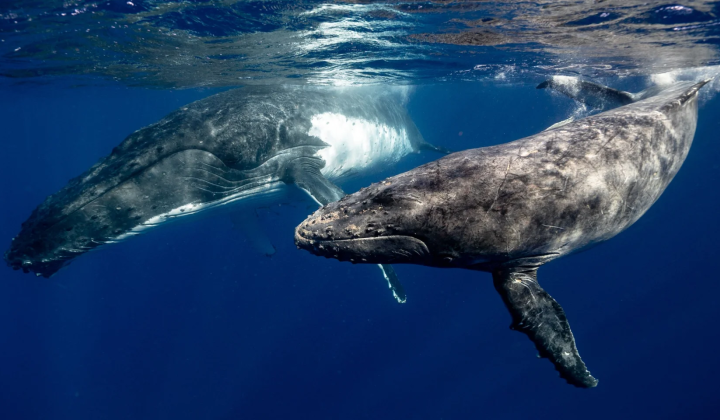
Researchers analyzed thousands of photos and videos shared on social media from 2013 to 2024. The evidence debunks the idea that humpback whales completely fast while traveling to Antarctica. Instead, the whales appear to feed actively in Australian coastal waters, targeting fish and plankton - a behavior that likely plays a vital role in their survival.
Mass Feeding Events Observed in Humpback Whales
Images contributed by tourism companies and drone operators documented 199 instances of mass feeding by humpback whales. These events took place mainly off Australia's eastern coast, with particular hotspots near New South Wales, Tasmania, and Victoria. The East Australian Current brings deep-water nutrients to the surface, creating dense swarms of tiny crustaceans that attract whales.
Humpback whales hunt in groups, with as many as 150 individuals joining a single feeding event. Most observed feeding occurred from August to October, when the whales head south with their newborn calves. However, their extended stays in nearshore areas put them in the path of shipping lanes and fishing operations. As a result, the whales risk getting caught in nets or struck by vessel propellers.
Conservationists are urging Australian authorities to introduce temporary speed limits for ships and adjust fishing regulations during peak whale activity. The study's authors explain:
“This evidence challenges prevailing assumptions about how these mammals survive. Snack stops along the route are essential for maintaining energy, since the animals' reserves are already critically low at this stage.”
The findings highlight why protecting humpback whales matters so much. They also show that fishing and shipping practices need to adapt to keep the animals safe during migration. This research could inform future conservation efforts and reinforce the value of studying the ecological needs of these marine giants.
While recent findings reveal that humpback whales actively feed during their migration, the situation for these majestic creatures remains precarious. A significant decline in sightings has been reported, with a staggering 60% drop attributed to ongoing ocean heatwaves. This alarming trend underscores the need for conservation efforts to protect these whales from the impacts of climate change. For more details on the challenges facing humpback whales, see our article on the dramatic decrease in whale sightings off Australia.

Read also