Humpback whale sightings off Australia plummet 60% amid persistent ocean heatwaves

Ocean sends an alarming message
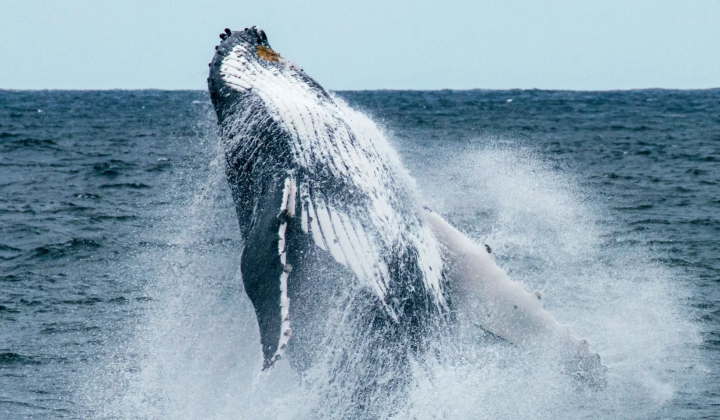
According to НВ — Техно: Off Australia’s southwest coast, observers logged 60% fewer humpback whales than usual during the late June migration season. The finding, made public on 2 August, has scientists concerned that something is going seriously wrong in the marine environment. A week later, near the east coast, rare albatrosses and petrels were spotted thousands of kilometres beyond their normal feeding grounds, many of them severely weakened. Just weeks before those sightings, Australia confirmed its first case of H5N1 bird flu in a migratory seabird.
All of this points to a simple but worrying truth: migrating seabirds and whales depend on ocean currents and weather patterns to find food and navigate. When those conditions change, animals can lose their way or struggle to survive. Researchers say the earlier whale decline and the disoriented birds may be early warning signs of a much larger ecological shift.
A stubborn heatwave at the centre of it all
The likely culprit is a persistent marine heatwave that has been sitting around the Heard and McDonald Islands and in the Tasman Sea, one of the fastest-warming regions on Earth. Since February, the unusually hot water has been interfering with how predators feed, including Tasmania’s little penguins, and has started to alter the species composition of zooplankton. The southern Tasman Sea has been unusually hot since at least April, and scientists fear the consequences for local ecosystems could be severe.
The problem is not limited to Australian waters. In the South Atlantic, Antarctic fur seal numbers have dropped by about 1.5 million over 15 years, enough for the species to be classified as endangered. These declines fit a global pattern: as the ocean warms, species that rely on stable conditions are being pushed to their limits. For anyone tracking the climate crisis, this is a stark reminder that rising sea temperatures are not just a matter of statistics - they are already transforming marine life. Scientists are urging governments to step up monitoring and take action to protect ocean ecosystems before further damage is done.
The alarming decline in marine life is further highlighted by Australia's recent confirmation of H5N1 bird flu in a non-migratory bird, underscoring the interconnectedness of wildlife health. This emerging threat raises concerns about the stability of ecosystems already strained by climate change. For more insights into this concerning development, visit the latest updates on bird flu in Australia.

Read also