UN Report: 7 Million Children Died in 2024, Ukraine Among Most Vulnerable Nations

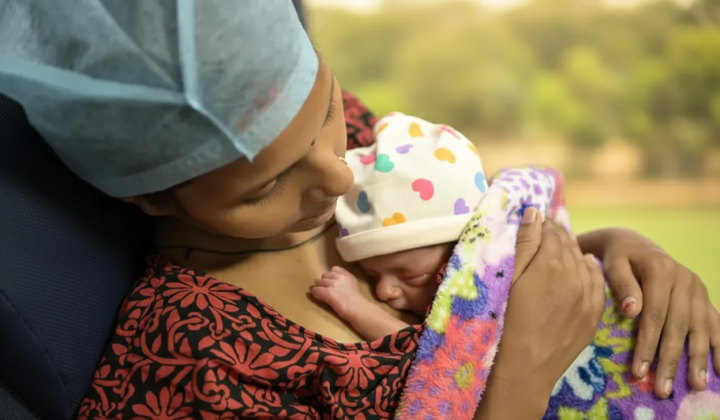
Child Mortality in 2024: A Global Overview
According to Главком: According to the 2024 UN report on child mortality, 4.9 million children under the age of five lost their lives. An additional 2.1 million older children also died. The report raises serious concerns as the rate of decline in mortality has slowed significantly, threatening global health targets.
Leading Causes of Child Deaths
For newborns, the primary causes of death are:
- Premature birth,
- Complications during delivery,
- Neonatal infections.
These factors can be substantially reduced through quality prenatal, delivery, and postnatal care. This includes skilled birth attendance, basic newborn care, and specialized support for preterm and sick newborns.
For children aged one month to five years, the leading causes of mortality are:
- Pneumonia,
- Diarrhea,
- Malaria.
In regions with improved survival rates, congenital anomalies account for a larger share of under-five deaths. After age five, mortality is driven by infectious and non-communicable diseases, injuries, and causes related to mental health.
A particularly alarming finding is that in countries affected by instability and conflict, the under-five mortality rate is three times higher. Ukraine is listed among these nations, where the child mortality situation demands urgent action and international community attention. The ongoing war has severely disrupted healthcare systems and access to essential services.
The report underscores the critical state of global child mortality, especially in unstable regions. Reducing child mortality is a key indicator of overall societal development, requiring concerted efforts from governments, international organizations, and the public. Effective health programs, access to medical services, and improved socio-economic conditions can significantly impact mortality rates among the most vulnerable populations.
The alarming statistics from the UN report highlight a critical need for global health initiatives, especially as childhood health issues continue to evolve. As the world grapples with various challenges, it is essential to recognize the emerging threats to children's well-being, including the rising rates of childhood obesity. For a closer look at how these health crises intertwine and their long-term implications, explore the details in our article on the global childhood obesity epidemic.

Read also