At 117, María Branyas Exhibited Both Advanced Aging Signs and Protective Longevity Mechanisms

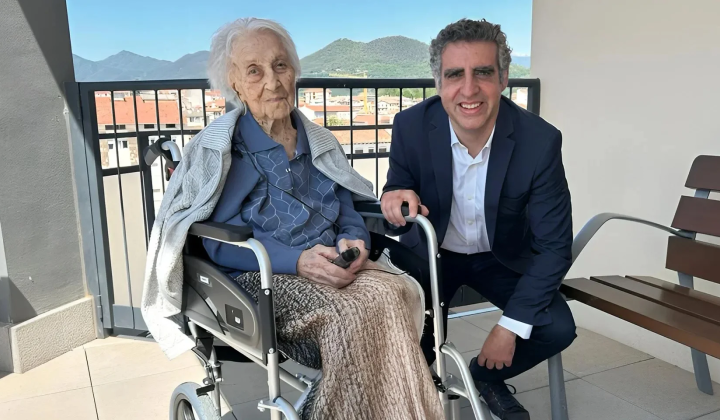
Insights from the Study of María Branyas
According to НВ — Техно: The investigation into 117-year-old María Branyas revealed a unique combination of pronounced aging markers alongside biological defenses that support healthy longevity. This groundbreaking research, led by Manuel Esteller at the Josep Carreras Leukemia Research Institute, offers valuable perspectives for understanding the biology of aging and age-related diseases. Analysis showed that Branyas’ telomeres were extremely short, accompanied by typical age-related and pro-inflammatory changes in her immune system.
Her B-cell counts aligned with general aging patterns, yet she also possessed genetic traits linked to protection of the nervous system and heart. Despite her advanced age, inflammation levels remained low, and her gut microbiome was dominated by beneficial bifidobacteria. Remarkably, her epigenetic biological age was younger than her chronological age, indicating underlying protective mechanisms in her body.
Key Contributors to Longevity
Branyas did not suffer from major illnesses commonly associated with very old age. Nevertheless, age-related alterations in her hematopoietic system were observed, which are known to increase the risk of leukemia and myelodysplastic syndromes. Researchers examined her genome, proteins, epigenetic modifications, metabolism, and gut microbiome to deepen understanding of why older individuals vary in disease susceptibility.
Factors associated with María Branyas’ exceptional lifespan include:
- nutritious diet
- engaged social interactions
- absence of harmful habits
As Manuel Esteller noted, “her body simultaneously showed signs of extreme aging and characteristics linked to healthy longevity.”
Medical science is also exploring epigenetic therapies and anti-aging drugs targeting cellular senescence, which could revolutionize how aging and longevity are approached in the future.
The discoveries from María Branyas’ study have significant implications for gerontology and epigenetics research. Understanding the mechanisms that promote healthy aging may lead to novel preventive strategies for age-related diseases, ultimately enhancing quality of life for seniors and easing healthcare burdens worldwide.
Understanding the biological mechanisms behind aging is crucial, as shown in the case of María Branyas. Similarly, research on how older adults exhibit changes in mobility and fatigue levels reveals a broader safety-first strategy employed by the body. To learn more about why aging affects physical performance and what implications this has for health, read our article on the reasons older individuals walk more slowly and tire more quickly.

Read also