NATO Certifies 15 Ukrainian Robots: Zelenskyy's Advisor Calls It a Breakthrough

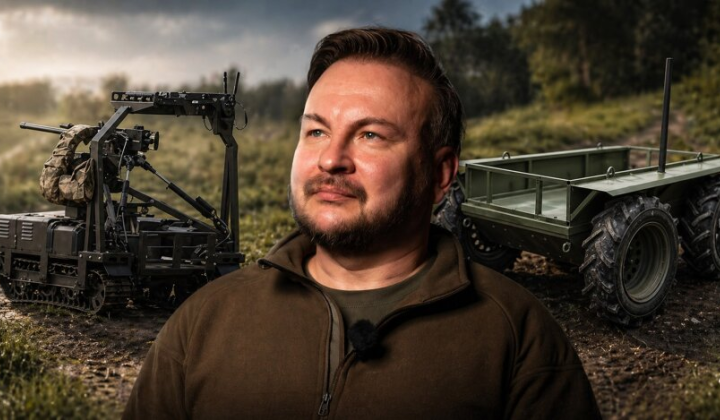
Defense Minister Advisor Weighs In on Robotic Systems
According to ХВИЛЯ: Serhiy Beskrestnov, an advisor to Ukraine's defense minister known by the call sign Flash, has weighed in on President Volodymyr Zelenskyy's recent announcement about expanding contracts for ground robotic systems (GRS). Initially a hot topic, interest in these systems waned over time, Beskrestnov noted. Now, however, they are back in the spotlight, with the advisor stating:
“The GRS topic has once again become a priority.”
Ukraine's GRS Developer Landscape
In a Facebook post, Beskrestnov highlighted that Ukraine is home to more than 50 GRS development teams, adding:
“Dozens of teams are rapidly emerging in Ukraine, creating a wide variety of models.”
Yet he described a troubling pattern:
“Then the entire GRS field collapses into nothing. The army suddenly doesn't need the robots, GRS companies are disbanded, and developers scatter.”
This turn of events shocked him, as he had not anticipated such a downturn.
Beskrestnov also revealed that 15 Ukrainian GRS units have received NATO certification, expressing optimism that 2024–2025 will mark the era of these systems. He emphasized:
- “We don't have the same mobilization resources as the enemy.”
- “So our robots will have to fight in place of infantry.”
The defense advisor stressed the value of GRS in protecting soldiers' lives, stating:
“Is one soldier's life worth even 100 GRS units? Of course it is. That's just metal.”
Beskrestnov's remarks underscore the growing role of technology in modern warfare, particularly when human resources are limited. Deploying GRS could prove decisive in countering the enemy by reducing risks to troops on the battlefield. Still, questions about their effectiveness and integration into military structures remain, which could shape their future use in Ukraine.
As Ukraine's defense landscape evolves with the recent NATO certification of robotic systems, understanding the challenges faced by both local and Western defense startups becomes crucial. Insights into the obstacles hindering Western defense initiatives in Ukraine may shed light on the broader implications for technological advancement in the military sector.

Read also