February 24th: The Feast of the Discovery of John the Baptist's Head - History and Folk Beliefs

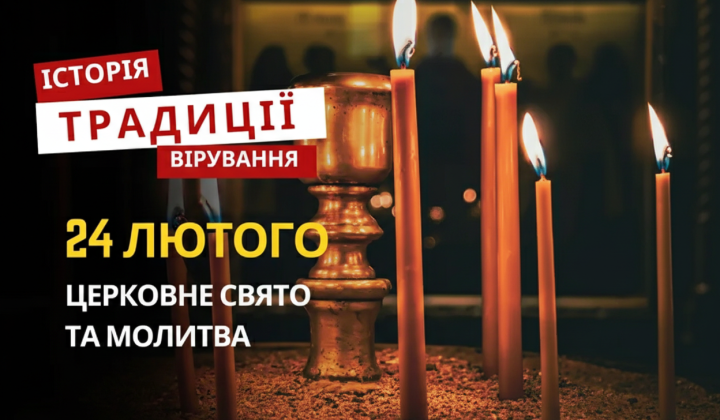
The First and Second Discovery of the Venerable Head of John the Baptist
According to Главком: On February 24th, the Orthodox Church commemorates the feast of the First and Second Discovery of the Venerable Head of John the Baptist. This observance has deep roots in Christian history, linked to the event where, after the saint's death, his head was hidden in a vessel on Jerusalem's Mount of Olives. The first discovery occurred in the 4th century when a nobleman named Innocent unearthed the relic during the construction of a church. This feast is one of several in the Orthodox calendar dedicated to the Forerunner, who is revered as the prophet who baptized Jesus.
Prayers and Folk Omens
The day is marked by prayers that call for strength and support for the faithful. One such prayer is as follows:
“O Holy Forerunner and Baptist of the Lord, John! Prophet of God and intercessor for our souls, look upon us this day and hear our supplications. You who pointed to Christ, the Lamb of God, implore Him to grant us strength to endure trials, to fortify our faith, and to bestow peace upon our land. Pray to God for us, that we may walk our earthly path with steadfast hope and be deemed worthy of the Heavenly Kingdom. Amen.”
Beyond its religious aspects, the feast is accompanied by folk beliefs and omens. For example:
- If snow lies on the ground for John the Baptist's feast, spring is expected to be late and Easter to be cool.
- If tits are singing, it signifies that a true warming and spring are soon to come.
- If birds begin building nests on the sunny side of trees, it foretells a cold summer.
- A clear and sunny day on this date promises a bountiful honey harvest in the summer.
Thus, the feast of the Discovery of John the Baptist's Head blends spiritual and folk traditions, adding meaning to the lives of believers. This event holds significant importance for Orthodox Christians, emphasizing John the Baptist's role as the prophet and forerunner of Christ. The faithful use this day not only for prayer but also to renew their spiritual strength amidst modern life. The accompanying folk omens testify to the deep intertwining of religiosity and traditional culture that persists in Ukrainian society to this day.

Read also