Trump Administration in January 2026: Resistance Inside and Out, Infrastructure Condition

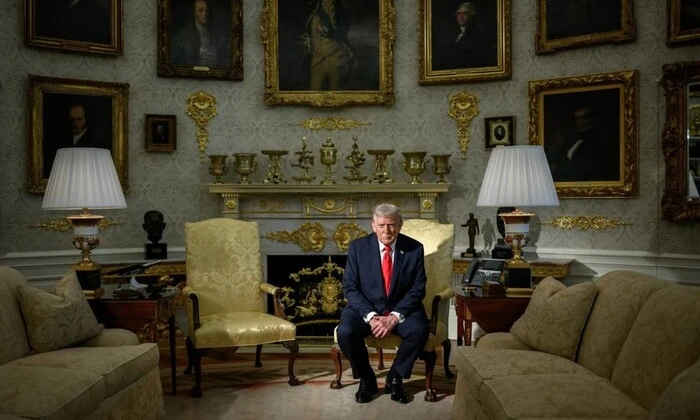
Situation in the USA in January 2026
According to Главком: In January 2026, Donald Trump's administration faced resistance both domestically and abroad. These events were triggered by the consequences of the operation in Minneapolis, where protesters Rena Good and Alex Pretty were killed. In response to the escalating situation, 'border czar' Tom Homan was sent to Minnesota to mediate the conflict. Trump held negotiations with local authorities in Minnesota, trying to de-escalate tensions.
Internal and International Challenges
At the same time, Trump's opponents used the First, Second, and Fourth Amendments to the U.S. Constitution, indicating a growing internal resistance to his policies. On the international stage, British Prime Minister Keir Starmer criticized Trump, particularly for ignoring the contributions of British troops in Afghanistan. Following this, Trump was forced to publicly honor the memory of fallen allies.
- New Venezuelan leader Delsi Rodriguez rejected attempts by Washington to control Caracas.
- Canadian Prime Minister Mark Carney called for smaller countries to act collectively under international pressure.
- American oil companies expressed skepticism regarding Trump's plans for Venezuelan oil fields due to the high cost of projects.
Meanwhile, Trump set a condition for unlocking funds for an infrastructure project in New York. This condition concerns the renaming of Penn Station and Dulles International Airport. Republicans in Congress expressed concern over the administration's 'too aggressive' style, pointing to the growing political tension in the country.
These events occur against the backdrop of international initiatives and tensions, underscoring the complex situation facing Trump's administration in January 2026.
The situation in the country indicates a growing level of political tension, both within the USA and on the international stage. Domestic protests and opposition to Trump's policies point to potential challenges for his administration, while criticism from international leaders reflects growing concern regarding U.S. foreign policy. These factors may influence Trump's future decisions and the strategies of his government amid rising political instability.

Read also