2027 Could Become the Warmest Year Ever Recorded as a Powerful El Niño Strengthens in the Pacific


What is changing?
According to Radiotrek — Світ: Publication date: Thursday, 03 September 2026, 13:00
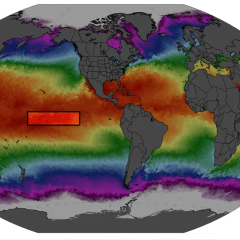
An exceptionally intense El Niño is now taking shape in the Pacific Ocean. The UK Met Office forecasts that in some areas the sea-surface temperature may run more than 3 degrees above the normal level. The strongest global consequences of this event could arrive in 2027, a year expected to overtake the heat record set in 2024 and go down as the hottest in recorded history. Such forecasts matter because El Niño is one of the few natural phenomena with truly planetary impact, and preparation can limit some of the damage.
How El Niño affects the weather
El Niño originates in the tropical Pacific and influences weather conditions throughout the world. Likely outcomes include:
- drought and fires in Australia;
- greater risk of flooding in South America;
- shifts in rainfall levels across various regions.
These disruptions may have serious consequences for local ecosystems and economies.
El Niño acts as a major driver of global climate, and its effects can be amplified by the ongoing changes linked to climate change. Warmer ocean surface temperatures create conditions for more extreme weather, which in turn can affect farming, access to water, and ecosystems across the planet. Monitoring the situation is vital, as the ripple effects might be far-reaching and require adaptation at both local and international scales.
As we anticipate the significant impacts of El Niño in 2027, it is essential to reflect on the challenges posed by the previous year's weather patterns. The record-breaking conditions of 2026 have already set the stage for heightened risks, including droughts and failed harvests, which could exacerbate the global climate crisis further. Understanding these developments can help us prepare for the potential repercussions ahead.

Read also