From Soviet Collapse to Ukraine Invasion: The Transformation of Russia’s Military

Russia’s Military Evolution from 1991 to 2022
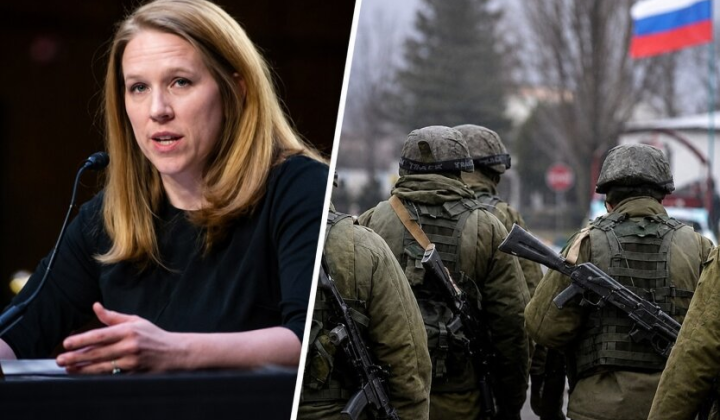
According to ХВИЛЯ: How did the Russian army go from the ruins of 1991 to launching a full-scale invasion of Ukraine in 2022? Historian Michael Kimmage from the Kennan Institute and expert Dara Massicot from the Carnegie Endowment analyze the military’s transformation over recent decades, highlighting key milestones that shaped Russia’s combat readiness. Following the USSR’s dissolution, the Russian armed forces underwent drastic downsizing, shrinking from roughly 3.5 million personnel to under 2 million within just a few years. The last chief of the Soviet General Staff shot himself in his office, leaving a suicide note that underscored the deep crisis gripping the military at the time.
Critical Stages of Development
After Soviet troops withdrew from abroad in the late 1980s, the First Chechen War proved disastrous for Russia’s army. Dara Massicot notes that
“within three to four years of leaving Afghanistan, all knowledge of counterinsurgency warfare had vanished without a trace.”
The 2008 war in Georgia marked another pivotal moment, as Russia invaded through the Roki Tunnel and fought for three to four days. In the lead-up to that conflict, Russian forces had rehearsed the route through the tunnel, signaling advance preparation.
In 2014, Russia annexed Crimea using troops without insignia, famously known as ‘little green men.’ Between 2014 and 2015, Moscow was able to form 25 to 30 battalion tactical groups for the war in Donbas. These events led to flawed assumptions about Ukraine’s ability to resist. After 2014, Ukrainian authorities conducted polygraph screenings and dismissed roughly 25 to 30 percent of national security personnel due to foreign ties. Kyiv also dismantled a network of 500 to 600 Russian informants ahead of the 2022 invasion.
For the 2022 invasion, Russia’s main forces were supplied with only two days’ worth of combat ammunition and one day’s supply of rubber bullets. Dara Massicot observes that
“now I have contract professionals I can throw into conflict without the social cost that conscripts carry.”
Vladimir Putin, who has held the presidency for over 26 years, has faced criticism over his management of the military. During the initial invasion of Ukraine and conflicts in Syria, his team often struggled to respond effectively to challenges.
Experts highlight that while the Russian army has undergone significant changes, the discipline problems visible today are catastrophic even by Russian standards. Dara Massicot emphasizes that “they simply don’t understand that you can’t exhaust your own physical capital and still expect full combat capability.” This process resembles a return to certain aspects of the 1990s, but ‘only on steroids.’
Ultimately, the evolution of the Russian military reflects not only shifts in strategic doctrine but also deep-seated socio-economic issues that continue to undermine its readiness and effectiveness. Given past failures and current challenges, the future trajectory of Russia’s armed forces could significantly reshape the geopolitical landscape in the region and beyond, warranting close monitoring by the international community.
As the situation in Ukraine continues to evolve, understanding the historical context of Russia's military actions is crucial. The recent analysis of the stalled offensive highlights the challenges faced by Russian forces in achieving significant territorial gains. For a deeper insight into the factors contributing to the current military dynamics, you can explore how past conflicts have shaped Russia's strategy and preparedness in our detailed report on the limitations of Russia's current offensive.

Read also