Zoomers cut spending by 13%: what they are now spending money on

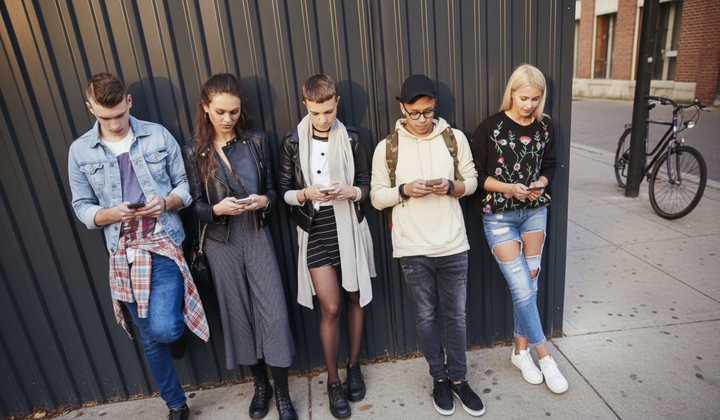
Generation Z: a new perception of shopping
According to glavcom.ua: PwC noted that Generation Z is seen as a group with its own consumption characteristics. These young people, born between 1997 and 2012, noted that they spend less on clothing, accessories, and electronics, but are willing to invest money in products with emotional significance.
Members of Generation Z show a tendency towards selective consumption, focusing on the cultural significance of products. They are interested in purchases that reflect their values and do not forget about the price. Young people also actively use social media to search for and compare prices on products.
More than 79% of members of this generation are waiting for sales.
- Restaurants/food delivery (51%),
- Clothing (33%),
- Alcohol (29%).
Most zoomers prefer lesser-known brands and seek vintage or second-hand items. There is also a trend of returning to traditional stores, which is gaining support among the younger generation.
Increased use of 'buy now-pay later' services may indicate financial instability among young people. Yet the shopping process itself is a true delight for them. After finding a product online and comparing prices, they go to buy it in a store.
For zoomers, shopping is an event. They can find a product on social media, compare prices in an app, and buy it in a physical store.
Generation Z style
Recently, the 'clueless girls' style from favorite 90s shows has gained popularity among Generation Z representatives. For young people, shopping has become not just a way to purchase goods, but also an opportunity to express their personality through their choices.
According to a study by PwC, Generation Z has developed its own perception of shopping, where the quality of goods, their cultural importance, and the ability to express personal style through choices matter. They actively use social media as a tool for searching and comparing product prices, resort to lesser-known brands and prefer offline shopping. The use of 'buy now-pay later' services has also gained popularity, which may indicate financial instability in this generation.

Read also