Coins of Emperor Constantius II Lead Archaeologists to 4th-Century Byzantine City in Egypt

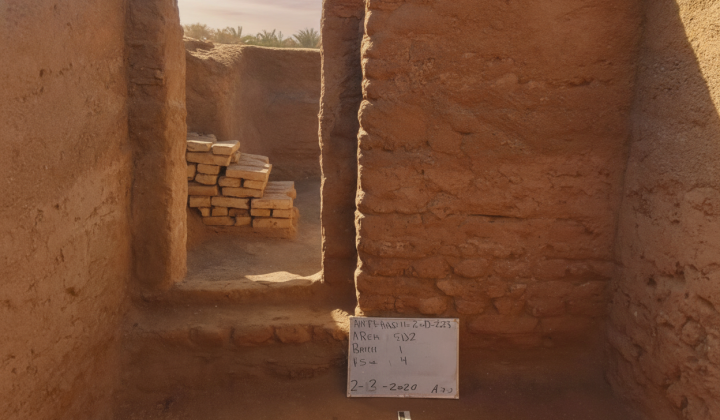
By-Era City Unearthed in Egypt's Western Desert
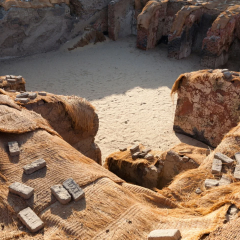
According to Главком: A Byzantine-era settlement dating back to the 4th century has been uncovered by archaeologists in Egypt's Western Desert. The site features a grid of streets running north-south and intersecting with east-west routes. Among the architectural remains are a basilica built around the mid-4th century, remnants of watchtowers, a fortified structure with thick defensive walls, and houses with large halls. A particularly notable find is the residence of a deacon named Tisos, which dates to the second half of the 4th century.
Artifacts and Their Historical Insight
The excavation also yielded a wealth of artifacts, including:
- bread ovens
- kitchens
- grinding stones
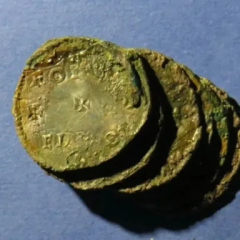
- bronze coins
These coins bear the images of Byzantine emperors, Latin inscriptions, and Christian symbols. They indicate that the city was a significant cultural and economic hub during the reign of Roman Emperor Constantius II, who ruled from 337 to 361 AD.
Additionally, researchers discovered 200 ceramic fragments known as ostraca, which were used for writing. These shards contain ancient records of trade transactions and correspondence, offering deeper insight into the city's social and economic life. The finds highlight the historical importance of this settlement and its role within Byzantine culture.
The discovery of this Byzantine city in Egypt's Western Desert is crucial for understanding the region's history and the development of Byzantine civilization. The artifacts will allow scholars to explore the socioeconomic dynamics of the period and the interactions between different cultures. This excavation promises to become a key source of information for future archaeological research and for reconstructing Egypt's history during the era of Byzantine rule.
In light of this significant discovery, it's worth noting that another Byzantine city has recently been found in Egypt's Western Desert, further illuminating the region's rich historical tapestry. This ongoing exploration reveals the interconnectedness of ancient settlements and their cultural significance during the Byzantine era.

Read also